
Stacey Sugar
LCPC, LPCCCalifornia · 14 yrs exp
Relationship-focused therapist helping people rewrite patterns
Stress, Anxiety · Relationship · Family · Intimacy-related issues · +9 more
Read profileTherapist listings are provided by BetterHelp. We earn a commission at no additional cost to you if you use our links to purchase.
Use this page to compare therapists who list guilt and shame among their relationship-focused specialties, including their approaches, languages, and credentials. Browse the profiles below to find clinicians whose experience and communication style match what you need, and contact them to ask about licensure and scope of practice.
California · 14 yrs exp
Relationship-focused therapist helping people rewrite patterns
Stress, Anxiety · Relationship · Family · Intimacy-related issues · +9 more
Read profile
Texas · 13 yrs exp
Compassionate, practical therapy focused on relationships
Stress, Anxiety · Relationship · Trauma and abuse · Anger · +11 more
Read profile
North Carolina · 21 yrs exp
Practical support for stress and relationships
Stress, Anxiety · Grief · Eating · Depression · +12 more
Read profile
Florida · 20 yrs exp
Compassionate counselor for addiction and relationships
Stress, Anxiety · Addictions · Relationship · Self esteem · +16 more
Read profile
Georgia · 19 yrs exp
Relationship-focused counselor with steady support
Stress, Anxiety · Relationship · Family · Trauma and abuse · +7 more
Read profile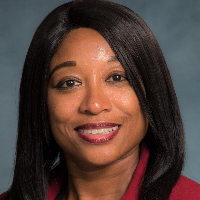
Georgia · 8 yrs exp
Compassionate counselor focused on relationships
Stress, Anxiety · Relationship · Family · Grief · +11 more
Read profile
Florida · 25 yrs exp
Compassionate counseling for relationship and trauma
Relationship · Trauma and abuse · Grief · Anger · +12 more
Read profile
Maryland · 6 yrs exp
Compassionate counselor for relationship and life stress
Stress, Anxiety · Trauma and abuse · Self esteem · Coping with life changes · +10 more
Read profile
Pennsylvania · 12 yrs exp
Calm, practical support for relationship concerns
Stress, Anxiety · Relationship · Self esteem · Depression · +11 more
Read profile
North Carolina · 10 yrs exp
Faith-informed counselor focused on relationships
Stress, Anxiety · Relationship · Family · Bipolar · +16 more
Read profile
New York · 9 yrs exp
Compassionate support for life’s difficult moments
Stress, Anxiety · Anger · Self esteem · Depression · +13 more
Read profile
Florida · 26 yrs exp
Experienced Florida LMHC focused on relationships and coping
Stress, Anxiety · Relationship · Anger · Depression · +13 more
Read profile
Florida · 30 yrs exp
Experienced, person-focused counseling for relationships
Stress, Anxiety · Trauma and abuse · Bipolar · Depression · +16 more
Read profile
Georgia · 14 yrs exp
Helping people navigate stress and relationships
Stress, Anxiety · LGBT · Trauma and abuse · Anger · +9 more
Read profile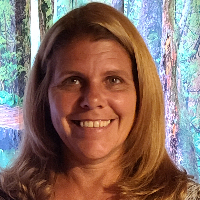
South Carolina · 10 yrs exp
Compassionate clinician for relationship and trauma concerns
Stress, Anxiety · Relationship · Family · Trauma and abuse · +1 more
Read profile
Florida · 10 yrs exp
Helping people find practical relationship solutions
Stress, Anxiety · Addictions · Family · Grief · +8 more
Read profile
North Carolina · 20 yrs exp
Person-centered counselor focusing on relationships and life changes
Stress, Anxiety · Relationship · Family · Self esteem · +9 more
Read profile
Florida · 15 yrs exp
Compassionate skills-based mental health support
Stress, Anxiety · Addictions · Trauma and abuse · Self esteem · +14 more
Read profile
Pennsylvania · 10 yrs exp
Practical, culturally aware therapy for life challenges
Stress, Anxiety · Relationship · Grief · Self esteem · +8 more
Read profile
Georgia · 19 yrs exp
Relationship-focused counselor with practical tools
Stress, Anxiety · Addictions · Trauma and abuse · Self esteem · +11 more
Read profile
North Carolina · 15 yrs exp
Compassionate counselor focused on practical relationship support
Stress, Anxiety · Relationship · Anger · Depression · +12 more
Read profile
Florida · 22 yrs exp
Compassionate, practical support for relationship concerns
Stress, Anxiety · Self esteem · Depression · Coping with life changes · +5 more
Read profile
Florida · 30 yrs exp
Compassionate psychologist focused on everyday change
Stress, Anxiety · Grief · Anger · Depression · +15 more
Read profile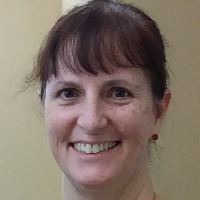
Florida · 32 yrs exp
Experienced relational therapist for life stresses
Stress, Anxiety · Addictions · Relationship · Family · +13 more
Read profileWhen you think about guilt and shame in the context of relationships, you are looking at emotional experiences that often shape how you relate to others and how you make personal decisions. Guilt typically connects to specific actions you feel responsible for, while shame tends to involve a broader sense of self-judgment. In relationships, those feelings can influence communication, your willingness to set boundaries, decisions about separation, and how you respond to conflict. You may find yourself avoiding conversations, minimizing your needs, or repeatedly taking on blame to keep peace. Recognizing these patterns is a first step in deciding what kind of support to seek.
On a directory page like this you will encounter profiles of clinicians who list guilt and shame as areas they address alongside relationship concerns. That listing signals an interest in working with those topics but does not guarantee a particular method or scope of practice. As you review profiles, keep in mind that the focus here is on individual support for communication, boundaries, relationship patterns, separation, and personal decisions. If your needs involve other settings or specific formats, you should ask each clinician directly about whether that is part of their practice.
You might be trying to understand how past events or ongoing dynamics contribute to your current emotional responses. Guilt can motivate reparative actions, while shame may lead to withdrawal and a shrinking of the self. In relationships those responses can show up as over-apologizing, reluctance to express needs, difficulty ending unhealthy patterns, or second-guessing important choices. The way these emotions interact with attachment history, cultural expectations, and communication habits varies widely from person to person.
Working with a therapist who lists relationship concerns and guilt or shame among their focuses can help you trace how those feelings appear in everyday interactions and in major decisions. You can explore ways to speak for yourself, set limits that align with your values, and make choices that reflect your priorities rather than fear of judgment. Keep in mind that a relationship specialty on a profile does not imply the clinician focuses on couples or family therapy. If you are seeking help with joint sessions or family work, you should ask about that explicitly when you reach out.
When you contact a clinician, specific questions will help you understand whether their approach fits your needs. You can ask which issues they commonly address when clients bring up guilt and shame, and what longer-term goals tend to look like in their work. Inquire how they think about the relationship between emotion and behavior, and whether they emphasize communication skills, boundary-setting, decision-making support, or exploration of personal history. You might also ask whether they work with particular populations or life stages that match your situation.
Therapy descriptions often list approaches and modalities. Rather than assuming any single approach is used in every case, ask how a clinician integrates those options into a plan tailored to you. For example, some profiles may mention that the clinician uses trauma-informed perspectives or that they list EMDR among their approaches; you can ask how those options might be applied to guilt or shame in your context. Also ask about how they measure progress and how you will know if the work is helping you move toward your goals. Concrete examples of what a typical early session covers can clarify how they will begin.
Before you begin, it is practical to cover logistics and scope so you know what to expect. Confirm the clinician's professional license and explicitly ask whether they have permission to work with you in your location. Licensing rules vary, so this step ensures you are connecting with someone who can legally provide services where you are. Discuss preferred communication methods for scheduling and how they handle messaging between sessions. You can also ask about emergency procedures and how they support clients who experience intense emotions between meetings.
Talk about session length and what a typical appointment includes, and clarify whether they focus on short-term strategies or longer-term exploration. If you have preferences about homework, written reflections, or skill practice, bring those up so you can gauge fit. It is appropriate to ask how they approach cultural values, family expectations, and identity factors that shape how guilt and shame are experienced. Clear conversations about these points before you start will help you enter the work with realistic expectations about process and boundaries.
As you compare profiles, look beyond labels and pay attention to the details that matter to your day-to-day experience. Read descriptions of focus areas to see whether a clinician emphasizes communication coaching, boundary work, decision-making support, or exploration of early patterns. Note languages offered if speaking in your preferred language matters to how you process emotion. Review listed credentials and training as background information, and verify licensure directly with the clinician to confirm they can work with you in your jurisdiction.
Style and rapport are often the deciding factors. Profiles sometimes describe a clinician's therapeutic stance - whether they take a collaborative, direct, reflective, or skills-based approach. Use that language as a starting point and then prepare a few concrete questions you can ask during an initial conversation to assess fit. For example, ask for an example of a technique they might use to help someone say no without overwhelming guilt, or how they help clients rebuild self-regard after persistent shame. These kinds of inquiries will give you a better sense of how the clinician matches your communication style and goals.
Finally, remember that the listing here groups therapists who identify guilt and shame among their practice areas alongside relationship concerns. That helps you narrow choices, but it is not a guarantee of a specific service or outcome. You should discuss the scope of care, treatment preferences, and whether individual support addresses the particular relational decisions you face. By combining careful comparison of profile details with direct questions about licensure, experience, and therapeutic style, you can make an informed choice about whose approach feels right for the work you want to do.
Alabama
21 therapists
Alaska
2 therapists
Arizona
11 therapists
Arkansas
6 therapists
California
30 therapists
Colorado
12 therapists
Connecticut
7 therapists
Delaware
48 therapists
District of Columbia
45 therapists
Florida
1757 therapists
Georgia
648 therapists
Hawaii
7 therapists
Idaho
2 therapists
Illinois
22 therapists
Indiana
11 therapists
Iowa
4 therapists
Kansas
4 therapists
Kentucky
12 therapists
Louisiana
20 therapists
Maine
2 therapists
Maryland
294 therapists
Massachusetts
4 therapists
Michigan
14 therapists
Minnesota
3 therapists
Mississippi
5 therapists
Missouri
9 therapists
Nebraska
2 therapists
Nevada
6 therapists
New Hampshire
2 therapists
New Jersey
16 therapists
New Mexico
3 therapists
New York
33 therapists
North Carolina
646 therapists
Ohio
17 therapists
Oklahoma
5 therapists
Oregon
5 therapists
Pennsylvania
38 therapists
Rhode Island
1 therapist
South Carolina
311 therapists
Tennessee
18 therapists
Texas
58 therapists
Utah
7 therapists
Vermont
4 therapists
Virginia
319 therapists
Washington
7 therapists
West Virginia
44 therapists
Wisconsin
5 therapists
Wyoming
1 therapist