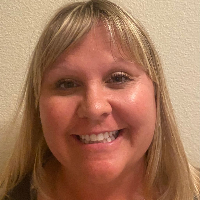
Christine O'Neill
LPC, LCPCColorado · 18 yrs exp
Collaborative, coaching-style counseling for change
Stress, Anxiety · Addictions · Relationship · Self esteem · +15 more
Read profileTherapist listings are provided by BetterHelp. We earn a commission at no additional cost to you if you use our links to purchase.
Compare therapists listed under Colorado to review specialties, therapeutic approaches, credentials and spoken languages. Use the profile details to assess focus areas like communication, boundaries and relationship patterns. Browse profiles below to learn more and contact practitioners directly to confirm they can work with you where you live.
Colorado · 18 yrs exp
Collaborative, coaching-style counseling for change
Stress, Anxiety · Addictions · Relationship · Self esteem · +15 more
Read profile
Colorado · 8 yrs exp
Practical, accepting support for relationship concerns
Stress, Anxiety · Trauma and abuse · Grief · Self esteem · +14 more
Read profile
Colorado · 9 yrs exp
Compassionate help for relationship and mood concerns
Stress, Anxiety · Addictions · Relationship · Depression · +1 more
Read profile
Colorado · 11 yrs exp
Compassionate, practical support for relationship concerns
Stress, Anxiety · Family · Self esteem · Depression · +9 more
Read profile
Colorado · 10 yrs exp
Guiding people through life transitions with practical support
Family · Self esteem · Coping with life changes · Compassion fatigue · +4 more
Read profile
Colorado · 25 yrs exp
Compassionate, practical help for life and relationships
Addictions · Relationship · Trauma and abuse · Grief · +15 more
Read profile
Colorado · 41 yrs exp
Therapist focused on practical change
Stress, Anxiety · Trauma and abuse · Grief · Self esteem · +9 more
Read profile
Colorado · 10 yrs exp
Relationship-focused LCSW supporting life changes
Stress, Anxiety · Self esteem · Career · Depression · +11 more
Read profile
Colorado · 27 yrs exp
Practical support for addiction and life transitions
Addictions · Relationship · Family · Trauma and abuse · +7 more
Read profile
Colorado · 7 yrs exp
Compassionate, practical therapy for relationship struggles
Stress, Anxiety · Relationship · Trauma and abuse · Self esteem · +15 more
Read profile
Colorado · 12 yrs exp
Collaborative therapist focused on relationships and resilience
Trauma and abuse · Grief · Stress, Anxiety · LGBT · +8 more
Read profile
Colorado · 9 yrs exp
Practical therapy for relationship and life challenges
Stress, Anxiety · Relationship · Intimacy-related issues · Self esteem · +12 more
Read profileWhen you look for a therapist for relationship-related concerns, it helps to be clear about the kind of support you want. People come to therapy for help with sharpening communication, setting and maintaining boundaries, understanding recurring relationship patterns, navigating separation decisions or making personal choices that affect partnerships. Emphasize that you are seeking individual support rather than a couples-only service. A listing that includes relationship as a specialty does not automatically mean the clinician provides couples or family therapy, so plan to ask how they typically work with individuals facing relational issues.
You may have goals that are practical - improving how you bring up difficult topics, learning steps for asserting limits, or planning changes in daily life - or goals that are more exploratory - tracing how earlier experiences shape current relationship patterns. Both aims are legitimate. When reading profiles, look for language that aligns with your immediate concerns, such as communication skills, boundary work, decision-making support or coping during separation. That alignment is often more useful than a general label because it points to the kinds of conversations you are likely to have with a therapist.
Location tags on a directory indicate where a clinician has recorded a presence, not proof of an office, physical proximity or a current license to practice in every circumstance. You should check each profile carefully and confirm directly whether a therapist is permitted to work with you in Colorado or in your specific city. Licensing rules vary by state, and permission to provide online care across state lines can change depending on regulatory requirements. Verifying licensure and scope of practice is an important step you can take before further contact.
Credentials listed on profiles communicate training pathways and professional titles, but they do not guarantee a particular method or outcome. Read how clinicians describe their background and any populations they mention, then ask them about their experience with issues like separation, boundary-setting or communication differences. If a profile lists an approach you are curious about, note that this indicates the approach is among those the therapist mentions; it is not proof of specialized certification. Use the profile as an entry point for more detailed questions.
Prepare a set of concrete questions that help you compare clinicians on matters that matter to you. Ask whether they primarily work with individuals who are addressing relationship concerns and what proportion of their work involves that focus. Inquire how they frame goals for boundary work or for making personal decisions that affect relationships. Ask for examples of the kinds of interventions they might suggest for improving communication or for navigating a separation decision, while remembering that a listed approach is only an indication of the methods they may use.
Probe about experience with issues that feel relevant to your life. If language, cultural perspective or identity are important, ask about the therapist's experience working with clients who share those backgrounds. If you are curious about particular approaches, request clarification phrased as - do you use cognitive-behavioral techniques, mindfulness practices, emotion-focused ideas, or have you worked with therapists who list EMDR among their approaches - and how those tools might be adapted for individual relationship concerns. These concrete exchanges will give you a clearer sense of fit than titles alone.
If you are considering remote or technology-assisted care, address practical and professional questions up front. Confirm that the clinician is authorized to provide care to someone in your location and ask how they handle situations that require local emergency response. Discuss the technological platform they use and how they manage records and communication in ways that meet your expectations for privacy and information protection. It is reasonable to ask about procedures for missed appointments, methods of contact between meetings and any limits on message frequency so you understand boundaries and communication norms.
Talk about how you will work together on concrete goals related to relationships. If you want short-term skill building - for instance improving a particular conversation or setting a boundary - ask how they typically structure that work. If you anticipate needing help during a separation or while making a major decision, ask how they approach planning and decision support. Clarify how progress is discussed and how you will know whether the approach is meeting your needs. These conversations help set expectations and can reduce confusion later on.
When you compare profiles, pay attention to the combination of focus areas, language offerings, professional credentials and descriptive language that suggests a therapist's working style. Focus areas indicate the subjects a clinician highlights - communication, boundary work, relationship patterns or separation planning - and can help you identify professionals who mention the issues you want to address. Language listings matter if you prefer to speak in another language or want a clinician who understands specific cultural context. Look for precise wording about who they work with rather than broad claims so you can judge fit for your situation.
Credentials and licenses are important landmarks, but they are part of a larger picture. Consider how a clinician describes their typical session pace, how directive or exploratory they tend to be, and how they collaborate on goals. Read client-facing descriptions for phrases that resonate with your expectations for problem-solving, emotional exploration or practical planning. If the profile mentions particular therapeutic approaches, remember that this means those approaches are among what the therapist lists; use that as a prompt to ask them how those approaches are applied to individual relationship concerns. Combining these details - focus areas, spoken language, credentials and stated style - will help you select a few profiles to contact and discuss fit more deeply.
Across all steps, keep in mind that a directory listing is a starting point. Confirm permissions to work with you where you live, ask targeted questions about how your concerns would be addressed, and use profile language to find clinicians whose focus and approach match the practical and emotional help you want. Thoughtful comparison and direct conversation will help you make an informed decision about who to reach out to next.
Attachment Issues
1808 therapists
Codependency
1728 therapists
Communication Problems
3258 therapists
Coping with Life Changes
3684 therapists
Divorce
2201 therapists
Family
3440 therapists
Family of Origin Issues
1423 therapists
Forgiveness
2639 therapists
Jealousy
1244 therapists
Life Purpose
2854 therapists
Relationship
4548 therapists