
Anne Douglas
LMFTNorth Carolina · 25 yrs exp
Experienced therapist for life and relationships
Stress, Anxiety · Relationship · Family · Grief · +15 more
Read profileTherapist listings are provided by BetterHelp. We earn a commission at no additional cost to you if you use our links to purchase.
Compare therapist profiles that list Self Esteem and relationship concerns to identify practitioners with relevant specialties, approaches, languages, and credentials.
Browse profiles to review stated focus areas and verify a therapist's license and permission to work in your location before making contact.
North Carolina · 25 yrs exp
Experienced therapist for life and relationships
Stress, Anxiety · Relationship · Family · Grief · +15 more
Read profile
Texas · 20 yrs exp
Experienced counselor focused on relationships
Stress, Anxiety · LGBT · Relationship · Self esteem · +16 more
Read profile
Georgia · 20 yrs exp
Practical, culturally aware counseling for life changes
Stress, Anxiety · Addictions · Relationship · Self esteem · +12 more
Read profile
Florida · 16 yrs exp
Practical, compassionate support for strained relationships
Stress, Anxiety · Relationship · Trauma and abuse · Depression · +6 more
Read profile
California · 14 yrs exp
Relationship-focused therapist helping people rewrite patterns
Stress, Anxiety · Relationship · Family · Intimacy-related issues · +9 more
Read profile
Texas · 13 yrs exp
Compassionate, practical therapy focused on relationships
Stress, Anxiety · Relationship · Trauma and abuse · Anger · +11 more
Read profile
North Carolina · 21 yrs exp
Practical support for stress and relationships
Stress, Anxiety · Grief · Eating · Depression · +12 more
Read profile
Florida · 20 yrs exp
Compassionate counselor for addiction and relationships
Stress, Anxiety · Addictions · Relationship · Self esteem · +16 more
Read profile
Georgia · 19 yrs exp
Relationship-focused counselor with steady support
Stress, Anxiety · Relationship · Family · Trauma and abuse · +7 more
Read profile
Georgia · 10 yrs exp
Relationship-focused counselor guiding practical change
Stress, Anxiety · Grief · Self esteem · Depression · +10 more
Read profile
New York · 13 yrs exp
Calm, practical support for life and relationship struggles
Relationship · Trauma and abuse · Grief · Self esteem · +9 more
Read profile
South Carolina · 14 yrs exp
Practical, goal-focused therapy for life changes
Stress, Anxiety · Parenting · Depression · Addictions · +14 more
Read profile
North Carolina · 12 yrs exp
Practical counseling focused on real-life change
Relationship · Family · Parenting · Self esteem · +7 more
Read profile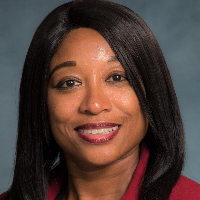
Georgia · 8 yrs exp
Compassionate counselor focused on relationships
Stress, Anxiety · Relationship · Family · Grief · +11 more
Read profile
North Carolina · 28 yrs exp
Experienced LCMHC focused on relationship concerns
Stress, Anxiety · Addictions · LGBT · Depression · +12 more
Read profile
Florida · 25 yrs exp
Compassionate counseling for relationship and trauma
Relationship · Trauma and abuse · Grief · Anger · +12 more
Read profile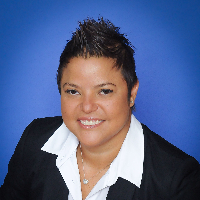
Florida · 21 yrs exp
Empathetic counselor for relationship and addiction concerns
Stress, Anxiety · Addictions · LGBT · Depression · +9 more
Read profile
Maryland · 6 yrs exp
Compassionate counselor for relationship and life stress
Stress, Anxiety · Trauma and abuse · Self esteem · Coping with life changes · +10 more
Read profile
Florida · 23 yrs exp
Practical, solution-focused counseling for adults
Stress, Anxiety · Addictions · Self esteem · Depression · +10 more
Read profile
Maryland · 10 yrs exp
Compassionate counselor who focuses on relationships
Stress, Anxiety · Relationship · Family · Intimacy-related issues · +12 more
Read profile
California · 12 yrs exp
Supportive LMFT focused on relationships
Stress, Anxiety · Family · Parenting · Self esteem · +8 more
Read profile
Texas · 6 yrs exp
Relationship-focused social worker
LGBT · Relationship · Family · Intimacy-related issues · +6 more
Read profile
Pennsylvania · 12 yrs exp
Calm, practical support for relationship concerns
Stress, Anxiety · Relationship · Self esteem · Depression · +11 more
Read profile
North Carolina · 10 yrs exp
Faith-informed counselor focused on relationships
Stress, Anxiety · Relationship · Family · Bipolar · +16 more
Read profileWhen you search for help with self esteem in the context of relationships, it helps to be specific about the struggles you want to address. Low self regard can show up as difficulty asserting boundaries, a pattern of communication that leaves you feeling diminished, trouble making personal decisions, or extra stress around separation and transitions. You do not need to have a clinical label to look for support; identifying the behaviors, feelings, and relationship patterns that are most disruptive to daily life will make it easier to find a therapist who focuses on those areas.
Before you reach out to a profile, spend a little time writing down the situations that typically trigger self-critical thoughts or anxiety about how you relate to others. Note whether your priority is learning new communication skills, strengthening boundaries, exploring long-standing relationship patterns, or navigating a recent separation. That clarity will help you compare profiles on the site and will give the therapist concrete material to respond to if you contact them.
This directory groups professionals who list Self Esteem alongside relationship-focused specialties, but listing a topic does not establish a causal connection between the two or imply a specific scope of practice. Self esteem and relationship concerns commonly overlap in everyday experience - struggles with self-worth can shape how you communicate, the boundaries you set, and the decisions you make - yet each person’s experience is unique. Use the directory to find therapists who explicitly name the areas you want to work on, while keeping in mind that a listed specialty is not the same as formal certification in a particular intervention.
Also remember that a relationship specialty does not guarantee couples or family therapy provision. If you are seeking individual support, look for profiles that describe individual-focused work with communication, boundary-setting, decision-making, or separation. If you have questions about a therapist’s scope or whether they work with particular populations, raise those directly with the therapist. Always verify a therapist’s license and whether they have permission to practice in your state or location before beginning any engagement.
When you compare profiles, have a short set of direct questions ready that will reveal fit. Ask how the therapist describes their approach to supporting self esteem in relationship contexts and request examples of techniques or ways of working that they commonly use. You can ask whether they focus on skills-based work such as communication training and boundary-setting, or whether they describe a more exploratory process that looks at early relationship patterns and self-concept. If a profile lists specific approaches, you might say I see you list cognitive behavioral methods or therapists who list EMDR among their approaches - can you describe how you typically use those tools in individual work for self esteem?
It is also reasonable to ask about experience with issues similar to your own. You can ask how they tend to support clients navigating separation, chronic people-pleasing, or repeated difficulties making decisions. Ask which populations they work with most often and whether they have experience with cultural, gender, or identity factors that relate to your situation. Finally, request clarification about credentials by asking for the license type and the state or jurisdiction where the therapist is authorized to practice. Verifying licensing information is important because it determines whether they can legally offer care to you in your location.
If you are considering remote sessions, there are practical items to cover before a first appointment. Confirm whether the therapist is licensed to provide care in your state or country and ask how they handle cross-jurisdiction practice if you plan to move or travel. Discuss communication preferences and boundaries - for example, how they manage messaging between sessions, their preferred platforms for video sessions, and what to do if a scheduled session needs to be rescheduled. Ask about their approach to privacy and how they protect your personal information, as well as any documentation you will receive about informed consent and telehealth policies.
It is also important to agree on crisis planning ahead of time. Ask how the therapist recommends handling emergency situations given that they may not be able to provide immediate in-person assistance. Clarify who to contact locally in a crisis and whether the therapist will provide referrals to local services when needed. If accessibility, language needs, or accommodations are important to you, raise those questions early so you can confirm whether the therapist can meet those needs or suggest other professionals who can.
Profiles vary in how explicitly they describe focus areas, training, and clinical style, so approach comparison like a short research task. Read biographies to see which relationship issues are named - communication, boundaries, separation, decision-making - and note whether those appear alongside self esteem. Look for how a therapist explains their clinical style. Some professionals describe a more directive, skills-oriented approach where you will practice concrete strategies in session. Others describe a reflective, insight-oriented style that focuses on exploring how past experiences shape present self-view and relationships. Decide which of those styles feels most likely to help you take action or gain perspective.
Language and cultural responsiveness can be deciding factors. If you prefer to work in a particular language, search profiles for that language and read how therapists describe their cultural competencies or populations served. For credentials, check the license type listed and the issuing jurisdiction; many profiles include a license number or a link to a licensing board. Use that information to verify the license with the appropriate state or national board. When a profile lists specific approaches, remember to frame those as options to discuss - say I see you list attachment-informed work or therapists who list narrative approaches among their methods - how do you apply these to self esteem in individual sessions? Concrete questions like that help you evaluate fit more than general impressions alone.
Choosing someone to work with is a personal process that combines practical checks and a sense of connection. Use the directory to narrow potential matches by stated focus, language, and credentials, then contact a few profiles with direct questions about approach, scope, and licensing. That preparation will help you make an informed choice about who to speak with further about your goals for self esteem and relationship-related concerns.
Alabama
21 therapists
Alaska
2 therapists
Arizona
11 therapists
Arkansas
6 therapists
California
30 therapists
Colorado
12 therapists
Connecticut
7 therapists
Delaware
48 therapists
District of Columbia
45 therapists
Florida
1757 therapists
Georgia
648 therapists
Hawaii
7 therapists
Idaho
2 therapists
Illinois
22 therapists
Indiana
11 therapists
Iowa
4 therapists
Kansas
4 therapists
Kentucky
12 therapists
Louisiana
20 therapists
Maine
2 therapists
Maryland
294 therapists
Massachusetts
4 therapists
Michigan
14 therapists
Minnesota
3 therapists
Mississippi
5 therapists
Missouri
9 therapists
Nebraska
2 therapists
Nevada
6 therapists
New Hampshire
2 therapists
New Jersey
16 therapists
New Mexico
3 therapists
New York
33 therapists
North Carolina
646 therapists
Ohio
17 therapists
Oklahoma
5 therapists
Oregon
5 therapists
Pennsylvania
38 therapists
Rhode Island
1 therapist
South Carolina
311 therapists
Tennessee
18 therapists
Texas
58 therapists
Utah
7 therapists
Vermont
4 therapists
Virginia
319 therapists
Washington
7 therapists
West Virginia
44 therapists
Wisconsin
5 therapists
Wyoming
1 therapist