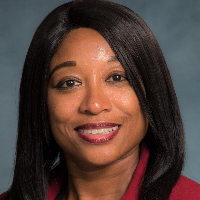
- Warm conversational style
- Practical coping skills
- Identity-affirming care
About Vivia
With eight years of clinical experience, she blends practical strategies with a warm conversational style. She uses approaches such as client-centered therapy, cognitive behavioral therapy, dialectical behavior therapy, emotionally-focused therapy, and mindfulness to meet people where they are. Sessions focus on clear goals, coping skills, and understanding how identity and culture shape a person's experience.
Her background includes work with college-age clients and communities navigating intersectional identity concerns. She uses assessment tools to clarify problems and track progress. She emphasizes resilience and helps clients notice small changes that lead to steadier functioning.
In sessions she aims to create a welcoming dialogue. That tone makes it easier for people to talk honestly about what they are feeling. Practical techniques and short-term goals are mixed with attention to deeper emotional patterns.
Her approach is collaborative: she and the client decide what to try and adjust plans when needed. The focus is on regaining a sense of control, improving relationships, and increasing day-to-day well-being.
How therapy approaches guide online care
Client-centered therapy centers on the person's own goals and experience. The therapist listens closely and follows what the client brings, helping people clarify values and choose next steps that feel right for them. Cognitive Behavioral Therapy, or CBT, focuses on identifying unhelpful thought patterns and trying practical experiments to change behaviors and mood. It is often used for anxiety, depression, and panic symptoms.Finding the right approach is part of the work. The therapist will talk with the client about goals, try methods, and adjust the plan together. That collaborative process helps match techniques to what actually helps the person in day-to-day life.
Because the original biography does not list specific session formats, confirm current online options before booking. Many people find online sessions helpful for fitting therapy into busy schedules, making it easier to keep appointments during work breaks or between errands. Online sessions can also reduce travel time and let people access a therapist who understands their cultural background and identity concerns without relocating. Discuss format preferences during the initial match so sessions can be arranged in a way that fits routines and needs.
Frequently asked questions
What concerns does she help with?
She supports people dealing with stress, anxiety, depression, grief, relationship and intimacy-related issues, and addiction. Additional focus areas include multicultural concerns, shame and guilt, trauma, and panic symptoms.
How would you describe her therapeutic style?
Her style is warm and conversational, with a focus on collaboration. She mixes practical coping skills with discussions about identity and emotional patterns.
What is her clinical experience?
She has eight years of experience working in counseling roles, including time supporting college-age clients and communities facing intersectional identity challenges.
What credentials and region are listed?
She is a Licensed Professional Counselor - LPC - and practices in Georgia.
Which languages are supported and can international clients reach out?
Sessions are offered in English, and she accepts international clients.
What session formats are offered?
The original biography does not specify session formats, so confirm current session options with the intake process before booking.
How does billing and cost work?
Costs vary by location and therapist arrangement; sessions use a subscription that can be canceled at any time.
How do I begin working with her?
Use the continue button on this profile, complete a short matching questionnaire, and schedule sessions according to the therapist's availability.