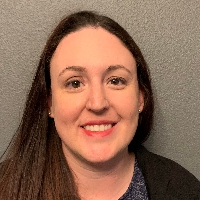
Jennifer Kem
LICSW, LCSWNevada · 10 yrs exp
Compassionate therapist for life transitions
Grief · Stress, Anxiety · Relationship · Family · +9 more
Read profileTherapist listings are provided by BetterHelp. We earn a commission at no additional cost to you if you use our links to purchase.
This page groups therapist profiles listed in Nevada so you can compare focus areas, approaches, credentials, languages, and therapeutic style. Browse the profiles below and review each individual's listing to confirm they are permitted to work with you where you live.
Nevada · 10 yrs exp
Compassionate therapist for life transitions
Grief · Stress, Anxiety · Relationship · Family · +9 more
Read profile
Nevada · 20 yrs exp
Compassionate guidance for relationship and life strain
Family · Self esteem · Career · Coping with life changes · +5 more
Read profile
Nevada · 8 yrs exp
Compassionate help for stress and relationships
Stress, Anxiety · Anger · Self esteem · Bipolar · +11 more
Read profile
Nevada · 15 yrs exp
Experienced relationship-focused LMFT
Stress, Anxiety · Grief · Intimacy-related issues · Coaching · +11 more
Read profile
Nevada · 7 yrs exp
Experienced LCSW supporting relationship and life challenges
Stress, Anxiety · Self esteem · Depression · Coping with life changes · +8 more
Read profile
Nevada · 21 yrs exp
Experienced relationship-focused clinician
Stress, Anxiety · Relationship · Trauma and abuse · Intimacy-related issues · +1 more
Read profileWhen you look for help with relationship matters in Nevada, you are most likely thinking about specific challenges - persistent communication breakdowns, difficulty setting or maintaining boundaries, recurring patterns that feel familiar from one partnership to the next, navigating separation decisions, or sorting out your personal priorities inside a relationship. Profiles grouped under Nevada can help you identify clinicians who list relationship work among their specialties, but those listings are an entry point rather than a guarantee of a particular type of service. You can use profile summaries to see which therapists mention communication coaching, boundary work, or support for people making decisions about relationships, and then use the profile details to form targeted questions about how they work with individuals facing similar concerns.
As you read, focus on how a therapist describes their interest in relationship issues and how they explain the work. Some clinicians write about helping clients understand recurring patterns and build new habits of interaction. Others emphasize skill-building in areas like assertiveness, negotiating boundaries, or managing the emotional aftermath of separation. Pay attention to language that matches what you want to address so you can prioritize profiles that speak directly to your goals. Remember that a relationship specialty does not necessarily mean the clinician provides family or couples therapy, so if you have a specific format in mind you should confirm that directly with the individual.
Profiles grouped under Nevada reflect the location data recorded for each clinician. That does not automatically indicate a physical office in Nevada, nor does it replace verification of licensure and permission to work with you in your jurisdiction. If you live in Nevada, be sure to check the therapist's profile for license type and the geographic areas where they have legal permission to practice. Licenses are issued by state boards and can be confirmed by checking the appropriate Nevada board or regulatory website. If you live outside Nevada but find a promising profile in this group, ask the clinician whether they are authorized to provide care to people in your state.
Professional credentials listed on a profile give you a shorthand indication of a clinician's background, but they are not proof of a specific training, outcome, or approach. You may see credentials such as LMFT, LCSW, PsyD, or PhD listed; these letters denote different licensure or degree pathways. Use credentials as prompts for follow-up questions about a person's education, supervision, clinical focus, and how their background relates to the relationship concerns you want to work on. Verifying a license and confirming the clinician has permission to work with you where you live are practical steps that protect your interests and clarify expectations before you invest time in conversations or intake processes.
Profiles often list approaches and specialties, but the presence of a named approach on a profile does not prove training or outcomes. A useful strategy is to turn what you read into a handful of concrete questions that reveal how a clinician applies their skills in practice. Ask how they typically work with individuals who want help with communication - for example, whether they focus on learning specific interaction skills, exploring the emotional patterns that underlie communication habits, or a mixture of both. If a profile mentions techniques such as trauma-informed care or mindfulness, you can ask how those elements are woven into sessions and what a typical early conversation looks like for someone with your concerns.
Another important line of questioning concerns experience with issues similar to yours. You might ask whether they have worked with people navigating separation-related decisions, how they support someone who wants to set firmer boundaries in an ongoing relationship, or how they approach repetitive relationship patterns that span multiple partnerships. Phrase questions so they invite concrete examples - for instance, you can ask, "Can you describe how you helped a client learn a new boundary-setting skill and what changes that produced?" These kinds of inquiries help you move past labels on a profile and understand the clinician's practical style and orientation.
If you are considering beginning care that includes remote or online options, there are a few specific topics you should address before you begin. Start by confirming the clinician's legal permission to work with clients in your state or county, because licensure rules vary. Ask how they handle situations that require local coordination, such as emergency contacts or referrals to in-person services, so you know how those matters would be managed if needed. Inquire about the technology they use for video or messaging, what kinds of records or notes they maintain, and how they describe their privacy and data protection practices to clients.
You should also discuss practical boundaries and communication preferences. Ask how they prefer to handle cancellations or rescheduling, whether they offer brief check-ins by message and under what conditions, and what their policies are regarding documentation and consent. If you have concerns about the setting from which you will join sessions - for example, ensuring an interruption-free environment - talk about ways to create a stable space for yourself during remote meetings. Clarifying these operational details ahead of time will help you focus your early conversations on therapeutic priorities rather than logistical surprises.
Comparing profiles effectively means looking at several dimensions and deciding which matter most to you. Start with the focus areas a clinician lists and match them against the problems you want to address. If communication is your primary concern, prioritize descriptions that emphasize communication skills, interactional patterns, or individual work on relationship behaviors. If boundaries or separation decisions are central, look for language that references decision-making support, boundary-setting, or transition work. Keep in mind that a relationship specialty does not establish that a therapist treats children, couples, or families, so if you need those specific services you should ask directly about scope.
Language access and interpersonal style are also important factors. Profiles that list additional languages can make a big difference if you are more comfortable speaking in a language other than English. Writing style on a profile can hint at tone in sessions - some clinicians write in practical, directive language, while others emphasize reflective, exploratory work. You can convert these impressions into comparison questions such as, "Do you use structured skill practice or a more exploratory conversation style?" or "How do you tailor your work when a client needs both decision support and emotion regulation practice?" Finally, use the credentials line to identify a clinician's license type and then independently verify that status if you plan to move forward. Combining these elements - focus areas, language match, described style, and verified licensure - will help you narrow the list of profiles to those that are worth a direct conversation about fit.
As you browse Nevada profiles, take notes about two or three specific things you want to accomplish and bring those to an initial conversation. Ask clear, concrete questions about approach, experience with issues like separation or boundary work, jurisdictional permission to work with you, and how remote care logistics are handled. Confirming these points before you begin will help you determine whether a particular clinician is a practical match for the relationship work you want to do. Use the profiles on this page as a starting point for those conversations, and always verify licensure and the clinician's permission to work with you in your location before moving forward.
Attachment Issues
1808 therapists
Codependency
1728 therapists
Communication Problems
3258 therapists
Coping with Life Changes
3684 therapists
Divorce
2201 therapists
Family
3440 therapists
Family of Origin Issues
1423 therapists
Forgiveness
2639 therapists
Jealousy
1244 therapists
Life Purpose
2854 therapists
Relationship
4548 therapists