- Relationship focus
- Practical skills
- Client-centered
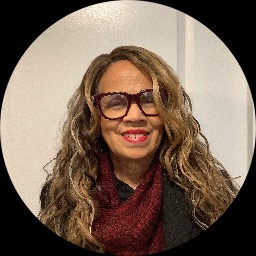
About Zauditu
Dr. McCants uses what people find helpful in therapy to shape each session. She focuses on practical conversation and skills people can use between meetings. Sessions are tailored to a person’s goals, whether that means improving communication, coping with loss, or managing anxiety and bipolar symptoms.
Her approach draws on client-centered therapy to keep sessions focused on each person’s experience. Cognitive behavioral strategies help spot and shift unhelpful thinking and behavior patterns. Dialectical behavior therapy offers tools for managing strong emotions and improving emotional balance.
Over 20 years Dr. McCants has worked in varied settings across multiple jurisdictions and brings that real-world perspective into therapy. She emphasizes clear, down-to-earth language and practical next steps rather than clinical jargon. That makes the work easier to apply in everyday life.
People who want to begin are invited to consider what they most want to change and what feels most urgent. Dr. McCants aims to collaborate on a plan with measurable steps people can try between sessions. Progress is tracked and adjusted as needs shift.
How her approaches translate to online work
Client-centered therapy focuses on listening to each person's experience and following their lead. It helps people name what matters most and set goals that fit their life. Cognitive behavioral therapy, or CBT, breaks problems into thoughts, feelings, and actions and teaches concrete exercises to change unhelpful patterns. That approach is useful for anxiety, depression, and sleep issues. Dialectical behavior therapy, or DBT, offers skills for managing intense emotions, improving distress tolerance, and strengthening interpersonal effectiveness.Finding the right approach is part of the work. The therapist will discuss what feels most useful and will adapt methods based on the person's goals and preferences. This is a collaborative process where strategies can be tried, reviewed, and adjusted over time.
The original biography does not list specific online session formats, so confirm available options before booking. Online work can make it easier to fit therapy into a busy day, reduce travel time, and allow shorter check-ins when needed. It also lets people use skills in the settings where challenges actually happen, and makes it simpler to keep regular appointments while managing life demands.
Frequently asked questions
What kinds of concerns does she help with?
She supports people facing relationship stress, trauma and abuse, intimacy-related issues, parenting strain, depression, anxiety, grief, sleep problems, self-esteem struggles, career stress, bipolar disorder, and life transitions.
What is her general style in therapy?
Her style is respectful and direct. Sessions focus on practical conversation and skills people can use between meetings.
How much practice experience does she have?
She has 20 years of professional experience working with a range of concerns in clinical settings.
What credentials and region are listed?
She holds LICSW and LCSW credentials and practices in Georgia.
Which languages are supported and are international clients accepted?
Sessions are offered in English. International clients are not currently accepted.
What session formats are available?
The original biography does not specify session formats. Please confirm current session options before booking.
How is cost handled for sessions?
Cost varies with location and therapist availability; sessions use a subscription that can be canceled at any time.
How do I begin working with her?
Use the continue button on this profile, complete a short matching questionnaire, and then schedule according to the therapist's availability.