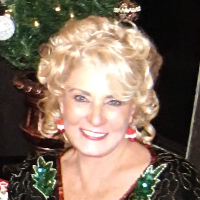
- Relationship-focused
- Practical coping skills
- Values-based work
About Virginia
Dr. Clark draws on a mix of practical methods to match each person’s needs. She uses cognitive behavioral ideas to spot unhelpful thinking and change behaviors. She also works with attachment-focused perspectives to address how past relationship patterns affect present connections. Acceptance and Commitment Therapy ideas help people notice difficult feelings and act in line with their values.
Sessions are conversational and goal-oriented. She helps clients set small, achievable steps for coping, sleep, eating, work, and parenting concerns. When addiction, trauma, or grief are involved, she balances safety, emotional processing, and concrete relapse-prevention or coping plans.
Her background includes long clinical practice working with mood disorders, codependency, domestic violence, caregiver stress, chronic illness, and first responder issues. That breadth informs a practical, flexible style tuned to real-life demands.
Dr. Clark speaks English and practices in Florida. People considering therapy are encouraged to review session options and scheduling before booking.
How therapeutic approaches translate to online work
Acceptance and Commitment Therapy, often called ACT, invites people to notice painful thoughts and feelings without getting ruled by them and to take small steps toward what matters. It can help with anxiety, depression, and coping with life changes. Attachment-Based Therapy looks at how early relationship patterns shape current interactions and helps people build healthier ways of connecting and responding. Cognitive Behavioral Therapy, or CBT, focuses on identifying unhelpful thinking patterns and trying different behaviors to reduce distress and improve daily functioning.Choosing the right approach is a collaborative process. The therapist will talk with each person about goals, preferences, and what feels most useful. Together they try methods and adjust the plan based on what helps in real life.
Confirm the available session options before booking, since formats were not specified in the biography. Online sessions can make it easier to fit therapy into a busy schedule, reduce travel time, and allow for shorter check-ins when needed. Phone-only options can be useful when bandwidth or camera use is a concern, while video-style meetings let people use visual cues during work on relationships and emotions. Ask about session length and timing to match therapy to everyday life.
Frequently asked questions
What concerns does this therapist help with?
She helps with stress, anxiety, depression, addictions, trauma and abuse, grief, relationship and intimacy issues, parenting concerns, sleep and eating problems, and many related topics.
How would you describe the therapeutic style?
The approach is conversational and goal-oriented, combining practical skill-building with attention to emotions and relationship patterns.
How much experience does the therapist have?
Dr. Clark has forty years of clinical experience working across mood disorders, addiction, grief, and caregiving challenges.
What credentials and region are listed?
She is a licensed clinical social worker (LCSW) practicing in Florida.
Which languages are supported and are international clients accepted?
Sessions are offered in English and international clients are not currently accepted.
What session formats are available?
Please confirm current session options with the service before booking, as the therapist's biography did not specify formats.
How does cost and billing work?
Cost varies with location and therapist availability; sessions use a subscription that can be canceled at any time.
How do I begin work with this therapist?
Select the continue button on this profile, complete a short matching questionnaire, and schedule according to the therapist's availability.