- Collaborative style
- Goal oriented
- Practical skills
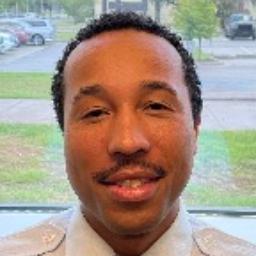
About Tyerell
Dotson uses straightforward, practical conversations rather than jargon. He listens for what matters most to each person and helps break big problems into small steps. Sessions often cover coping skills for sleep, anger, motivation, and self-esteem so daily life feels more manageable.
He has experience addressing addiction, grief, family and relationship concerns, and issues common to aging and caregivers. He also works with people facing financial stress, isolation, and mood or post-traumatic stress concerns. First responder and veteran-related matters are within his background as well.
Therapeutic work draws on approaches such as Acceptance and Commitment Therapy, Cognitive Behavioral Therapy, mindfulness, client-centered methods, and motivational interviewing. Those tools are used flexibly to match each person’s needs and goals. The tone in sessions is practical and respectful, with an emphasis on steady progress.
People who prefer direct, goal-oriented conversations tend to fit well with his style. He asks for commitment to the process and helps clients figure out realistic next steps. To begin, readers should follow the site’s start process to match and schedule a first appointment.
How his approaches translate to online therapy
Acceptance and Commitment Therapy (ACT) focuses on helping people notice difficult thoughts and feelings and move toward what matters most. It can be useful for stress, anxiety, and motivation problems. Cognitive Behavioral Therapy (CBT) looks at patterns of thinking and behavior and teaches concrete techniques to shift them, which helps with depression, sleep issues, and anger. Client-Centered Therapy centers the conversation on the person’s experience and priorities, giving space for them to set the pace and goals.Finding the right approach is part of the work. The therapist will collaborate to decide which methods fit a person’s goals and preferences. Over a few sessions, they will check what helps and adjust the plan together.
Confirm current session options before booking so you know how sessions will be delivered. Online work can make it easier to fit appointments into a busy week, reduce travel time, and allow shorter check-ins when needed. It also lets people use strategies learned in sessions directly in their everyday routines. Licensed professionals can adapt ACT, CBT, and client-centered work to online sessions to keep therapy practical and goal-focused.
Frequently asked questions
What kinds of concerns does he address?
He helps people facing stress, anxiety, depression, trauma and abuse, and grief. He also works with anger, sleeping problems, addictions, relationship and family concerns, and related issues.
How would you describe his therapeutic style?
He uses a collaborative, practical approach that breaks problems into steps. Sessions emphasize skill-building and steady progress toward goals.
What is his professional background?
He has five years of experience as a licensed clinical social worker. His work has included first responder and veteran-related issues.
Where is he located and licensed?
He practices in Virginia and holds the VA LCSW credential as listed.
Which languages are supported for sessions?
Sessions are offered in English.
Can people outside the United States work with him?
International clients are not currently accepted.
How are fees and billing handled?
Cost varies with location and therapist availability; sessions use a subscription that can be canceled at any time.
How do I begin working with him?
Use the continue button on this profile, complete the short matching questionnaire, and schedule according to therapist availability.