- Person-centered approach
- Practical tools
- Strengths-based work
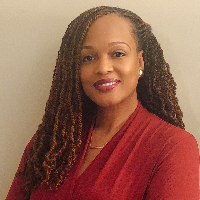
About Shenelle
She brings 18 years of experience across outpatient, inpatient, independent practice, and state or local agency settings. That range has exposed her to many different life stories and cultural backgrounds, which informs a flexible, person-first way of working. Sessions emphasize listening, honesty, and practical next steps rather than jargon.
Her work often starts with a person-centered stance that helps people notice what matters to them and make choices that match their values. She also uses cognitive behavioral techniques to spot unhelpful thinking, and solution-focused strategies to set short-term goals. Motivational interviewing shows up when someone is weighing change or facing substance use concerns.
Expect a respectful, empathetic conversation where strengths are noticed and explored. Shenelle aims to help clients build skills for managing mood swings, anger, addictive patterns, isolation, and life transitions. She also addresses issues like abandonment, codependency, and women's concerns when these come up.
People who prefer straightforward guidance and practical tools may find her style useful. She invites clients to be active partners in planning goals and tracking progress toward clearer, more meaningful daily living.
How her approaches translate to online work
Shenelle commonly blends person-centered care with cognitive behavioral methods and motivational interviewing. Person-centered care means the therapist listens closely, reflects what she hears, and helps clients notice their values and choices; this helps with building motivation and clarity. Cognitive Behavioral Therapy (CBT) focuses on identifying unhelpful thoughts and testing new behaviors to reduce anxiety, low mood, and unhealthy patterns. Motivational interviewing uses open questions and reflective listening to help people explore ambivalence about change, which is especially useful for substance use and habit shifts.Finding the right approach is collaborative. Shenelle will work with each person to see which methods fit their goals and preferences. She adapts techniques over time, checking in about what feels useful and what needs to change so progress stays practical and focused.
If you are considering online sessions, confirm the exact session formats before booking since the biography does not list them. Online work can make it easier to fit therapy into a busy day, shorten travel time, and allow brief check-ins when needed. It can also allow for methods such as homework between meetings and tracking small goal steps that carry into everyday life.
Frequently asked questions
What kinds of problems does Shenelle help with?
She works with stress, anxiety, depression, trauma and abuse, addictions, relationship and intimacy issues, grief, anger, self-esteem, bipolar mood concerns, ADHD, and related struggles such as codependency and isolation.
How does she approach therapy?
Her style is person-centered and practical. She listens first, then uses cognitive behavioral and solution-focused methods plus motivational interviewing when someone is weighing change or substance use concerns.
How much experience does she have?
She has 18 years of counseling experience in settings that include outpatient care, inpatient hospitalization, independent practice, and state or local agencies.
What credentials does she hold and where is she located?
She is a Licensed Professional Counselor (LPC) and practices in South Carolina.
Which languages are supported and can international clients connect?
Sessions are offered in English. International clients are not currently accepted.
What session formats are offered?
The original biography does not list specific session formats; please confirm current session options before booking.
How are sessions paid for and what does therapy cost?
Cost varies with location and therapist availability. Sessions use a subscription model that can be canceled at any time.
How do I begin working with Shenelle?
Use the continue button on this profile, complete a short matching questionnaire, and then schedule a session according to therapist availability.