- Grief and loss
- Caregiver stress
- Depression support
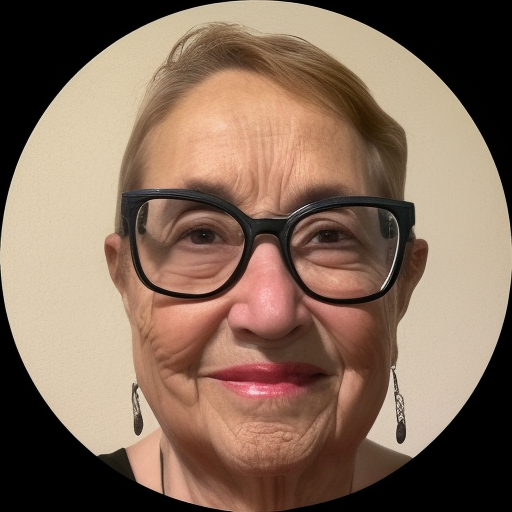
About Sandra
Her work often centers on people dealing with caregiver strain, chronic illness, and end-of-life concerns. She also addresses stress, anxiety, addictions, trauma and abuse, and relationship challenges. Sandra helps clients who face eating-related concerns, anger, bipolar mood issues, and feelings of emptiness or shame.
She draws on approaches such as Acceptance and Commitment Therapy, Client-Centered Therapy, and Cognitive Behavioral Therapy to shape sessions around each person's needs. Mindfulness and solution-focused strategies are used to build coping skills and short-term goals. These methods are adapted to the specific problem someone brings to therapy.
Sandra frames therapy as a collaborative process. She works with clients to set practical steps, practice new ways of thinking, and build routines that support change. Sessions include listening, reflecting, and introducing techniques that clients can use between meetings.
People choosing Sandra can expect straightforward guidance and steady support through hard transitions. Her decades of experience inform a patient and empathetic approach. To begin, follow the site process to match with her and schedule a first appointment.
Approaches that guide online work
Acceptance and Commitment Therapy (ACT) helps people notice painful thoughts and feelings without getting stuck in them, then focus on actions that match their values. It can be useful for grief, anxiety, and life changes that leave someone feeling uncertain. Client-Centered Therapy emphasizes a warm, listening stance where the person leads the pace and focus of each session. This helps people build trust and feel heard while they work through hard experiences. Cognitive Behavioral Therapy (CBT) looks at the links between thoughts, feelings, and actions and introduces practical skills to change unhelpful patterns. CBT is often used for depression, anxiety, and behavior changes people want to make.Finding the right approach is part of the therapy process. The therapist will work together with the client to choose methods that match their goals, needs, and comfort level. Sessions can shift over time as progress is made or new priorities emerge.
Confirm available session formats before booking since the biography does not list specific options. Online therapy can make it easier to fit sessions into a busy week, avoid travel time, and check in during a short break. It can also allow for different ways of working such as talking through problems, practicing skills, and reviewing homework between meetings.
Frequently asked questions
What kinds of concerns does Sandra work with?
Sandra helps with grief, depression, anxiety, relationship and family concerns, addiction issues, and caregiver stress. She also addresses trauma, eating-related problems, anger, bipolar-related struggles, and feelings like emptiness, guilt, or shame.
How would you describe her therapy style?
She creates an open, nonjudgmental space and works collaboratively to set goals. Sessions combine listening with practical strategies drawn from several therapeutic approaches.
What is her professional background?
She has 37 years of professional experience working with people facing life changes, serious illness, caregiver strain, and mood concerns.
What credentials and region should I know about?
She holds the LMHC credential and is licensed in Florida. Her practice is based in that state.
Which languages are supported for sessions?
Sessions are offered in English.
Can people outside the United States work with her?
International clients are not currently accepted.
How are session formats handled?
Please confirm current session options before booking since formats are not specified in the biography. The site matching process can clarify available session types.
How does payment and getting started work?
Cost varies with location and therapist availability and sessions use a subscription that can be canceled at any time. To begin, select the continue button on this profile, complete the short matching questionnaire, and schedule according to therapist availability.