- Calm and encouraging
- Practical coping steps
- Nonjudgmental support
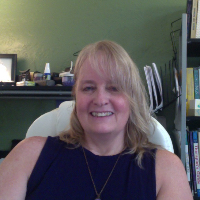
About Rhonda
Rhonda earned her professional credentials after beginning higher education later in life. She has worked in psychiatric units and community mental health centers, and she has maintained a independent practice since 2013. Over 21 years in the field, she has supported people through grief, trauma and abuse, parenting strain, sleep problems, and challenges such as ADHD and bipolar mood concerns.
Her work draws on Cognitive Behavioral Therapy, Solution-Focused Therapy, and other approaches that focus on real-world changes. In sessions she looks for small, achievable steps clients can try, then adjusts plans based on what works. Motivational Interviewing and Trauma-Focused methods also appear in her practice when helpful.
Rhonda emphasizes respect and patience. She listens without judgment and helps clients map practical coping strategies for anger, panic, caregiver stress, codependency, and communication problems. Many people return for occasional follow-ups after initial progress.
Rhonda works as an LPC, Licensed Professional Counselor, and LCPC, Licensed Clinical Professional Counselor. She practices in South Carolina and conducts sessions in English. If a reader wants to learn more about how she structures sessions, the Start Therapy process explains the next steps.
How Rhonda Uses Evidence-Based Tools Online
Rhonda often draws on Cognitive Behavioral Therapy to help people notice unhelpful thinking patterns and try different behaviors. CBT breaks problems into specific thoughts and actions so clients can test new ways of responding to stress, anxiety, or low mood.She also uses Mindfulness Therapy to teach simple present-moment practices. These exercises aim to reduce reactivity and improve sleep, focus, and emotion regulation. Motivational Interviewing appears in her work when people need help finding direction or building motivation for change.
Finding the right approach is a collaborative process. The therapist will talk with each client about goals, preferences, and what has or hasn't worked before. Together they pick methods and adjust them over time so the plan fits the person's day-to-day life.
If you want online sessions, confirm the available session options before booking so you know what formats are offered. Many people find online work helpful because it can fit into a busy schedule, allow shorter check-ins when needed, and remove travel time so appointments are easier to keep. Licensed professionals can adapt CBT, mindfulness, and motivational strategies to virtual settings while focusing on practical steps clients can use between meetings.
Frequently asked questions
What concerns does Rhonda commonly help with?
She supports people facing stress, anxiety, depression, grief, trauma and abuse, and relationship concerns, among other issues listed in her specialties.
What is her general approach in sessions?
Rhonda uses practical, down-to-earth techniques like Cognitive Behavioral Therapy and Solution-Focused Therapy to identify small steps clients can try between meetings.
How much experience does she have?
She has 21 years of experience working in psychiatric units, community mental health centers, and in independent practice since 2013.
What are her credentials and where does she practice?
She holds LPC and LCPC credentials and practices in South Carolina.
Which languages are supported for sessions?
Sessions are offered in English.
Can people outside the United States work with her?
She does not accept international clients at this time.
How does pricing work for sessions?
Cost varies by location and therapist availability; sessions use a subscription that can be canceled at any time.
What should someone do to begin therapy?
Click the continue button on this profile, complete a short matching questionnaire, and then schedule sessions according to the therapist's availability.