- Relationship-focused care
- Trauma-informed methods
- Practical skills
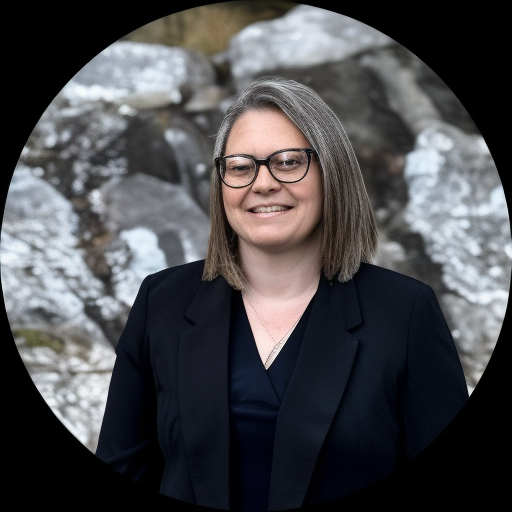
About Rachel
Her style is engaging and interactive, and she aims to treat people with respect and compassion. Rachel uses a mix of approaches to tailor care to each person’s needs, including client-centered techniques, cognitive behavioral ideas, dialectical behavior skills, EMDR, and motivational interviewing when appropriate. She adapts conversations and plans to fit what each person brings to therapy.
Rachel has experience working across levels of care, including inpatient and outpatient settings, and has supported people through trauma, substance misuse, and eating-related problems. She also addresses family-of-origin concerns, communication and codependency issues, blended family matters, and life transitions.
In sessions she focuses on practical steps and skill-building alongside deeper processing work. That can mean practicing coping strategies, working on communication patterns, or using trauma-focused methods when past events are affecting present relationships. Rachel aims to help people find clearer choices and more manageable ways to move forward.
To begin, prospective clients use the platform’s continue button on this profile, complete a short matching questionnaire, and schedule based on therapist availability. Session cost varies with location and the subscription can be canceled at any time.
How Rachel’s Approaches Translate to Online Work
Client-Centered Therapy focuses on listening and building a trusting, collaborative relationship so the person feels heard and understood. It helps with self-esteem, relationship concerns, and making sense of emotional struggles. Cognitive Behavioral Therapy (CBT) breaks down problems into patterns of thought and behavior and teaches practical skills to challenge unhelpful patterns; it is often useful for anxiety, depression, and stress. Dialectical Behavior Therapy (DBT) emphasizes emotion regulation, distress tolerance, and better interpersonal skills to reduce reactive behavior and improve relationships.Choosing the right approach is a collaborative process. The therapist will work with each person to figure out which methods fit their goals and preferences. That may mean starting with skills-based CBT or DBT work, and adding trauma-focused tools like EMDR if both agree it will help.
The original biography did not list specific session formats, so confirm current options before booking. Online sessions can make it easier to fit therapy into busy days, allow shorter check-ins when needed, and reduce travel time. They also let people continue work across life changes or when scheduling from another region. Licensed professionals can adapt exercises, homework, and step-by-step skills to work well in remote sessions.
Frequently asked questions
What concerns does Rachel commonly address?
She helps people with addictions, trauma and abuse, eating and body-image issues, depression, anxiety, self-esteem, stress, relationship and intimacy-related issues, anger, bipolar struggles, and coping with life changes.
What is her general therapy style?
The approach is engaging and interactive, with a focus on respect and compassion. Sessions mix talk, skills practice, and focused interventions tailored to each person.
How much clinical experience does she have?
She has eight years of counseling experience and has worked in inpatient and outpatient settings with a wide range of concerns.
What credentials and region does she work from?
She holds LPC and LCPC credentials and provides services while located in Florida.
Which languages are available for sessions?
Sessions are offered in English. International clients are accepted.
What session formats are offered?
The original biography does not specify session formats. Please confirm current session options before booking.
How much do sessions cost?
Cost varies with location and therapist availability, and sessions use a subscription that can be canceled at any time.
How do I begin working with this therapist?
Use the continue button on this profile, complete a short matching questionnaire, and then schedule according to the therapist's availability.