- Relationship support
- Values-based work
- Skill building
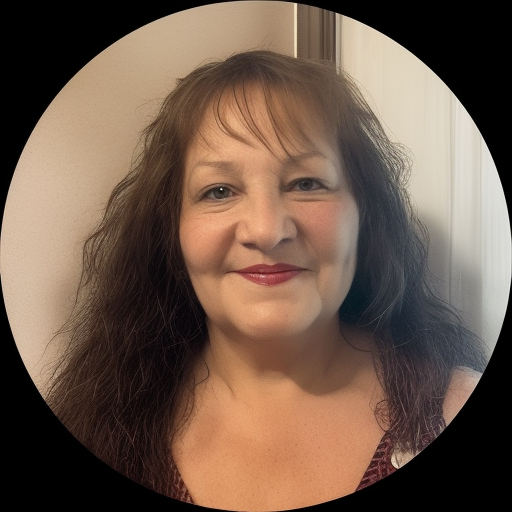
About Patricia
Her approach is practical and person-focused. Sessions are tailored to the individual and their goals, whether that means building motivation, setting boundaries, or recovering from trauma and domestic violence. She works with common life challenges like parenting strain, grief, career stress, and changes that feel overwhelming.
Patricia draws from a range of methods, including Acceptance and Commitment Therapy, Cognitive Behavioral Therapy, and Client-Centered Therapy. She uses these approaches to help people notice unhelpful thoughts, build new skills, and take actions that match their values. Dialectical Behavior Therapy and Attachment-Based Therapy are also part of her toolkit for emotion regulation and relationship concerns.
Over two decades of practice have given her experience with addictions, bipolar mood issues, ADHD, and eating or sleeping difficulties. She also supports people dealing with abandonment, caregiver stress, codependency, and communication problems.
People who reach out can expect a collaborative process focused on realistic steps. Patricia helps set a clear plan, checks progress, and adjusts the work as needs change.
How therapy approaches shape online work
Acceptance and Commitment Therapy (ACT) helps people notice painful thoughts and feelings without getting stuck in them, then choose actions that match what matters to them. It can help with anxiety, depression, and motivation problems. Cognitive Behavioral Therapy (CBT) looks at patterns of thinking and behavior and teaches practical skills to change unhelpful habits; it is often used for anxiety, low mood, and sleep or eating concerns. Attachment-Based Therapy focuses on relationship patterns and emotional bonds, helping people understand how past connections affect current relationships and intimacy issues.Finding the right approach is part of the work. Patricia will collaborate with each person to decide which methods fit their needs, goals, and preferences. That means checking in, trying tools, and adjusting the plan if something does not feel helpful.
The original biography does not list specific online session formats, so confirm current options before booking. In general, online therapy can make it easier to fit sessions into a busy week, shorten the time spent traveling to appointments, and allow for shorter check-ins when schedules are tight. Some formats also let people use audio-only contact if video is difficult, or schedule sessions around breaks at work or school. Discuss format choices during the matching process to find what works best for everyday life.
Frequently asked questions
What concerns does Patricia commonly help with?
She helps people facing stress, anxiety, relationship struggles, depression, substance use, and low self-esteem, along with grief, parenting strain, and trauma recovery.
What is her general therapy style?
Sessions are collaborative and practical, focusing on skills, values, and clear steps. Patricia adapts the work to each person rather than using a one-size-fits-all plan.
How much experience does she bring?
Patricia has over 20 years of professional experience working in mental health settings and with a wide range of life and mood concerns.
What credentials and location are listed?
She is a Licensed Mental Health Counselor (LMHC) licensed in Florida and practices there.
Which languages are used in sessions?
Sessions are offered in English.
What session formats are offered?
The original biography does not specify formats; please confirm the current session options before booking to ensure they meet your needs.
How are fees and payments handled?
Cost varies with location and therapist availability, and sessions use a subscription that can be canceled at any time.
How do I begin working with Patricia?
Use the continue button on this profile, complete a short matching questionnaire, and then schedule according to the therapist's availability.