- Warm practical support
- Skill building focus
- Relationship-centered care
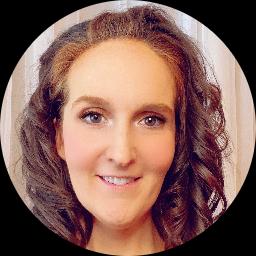
About Patricia
Her style is warm, practical, and straightforward. She aims to partner with each person to understand where they are now and what they want to change. Sessions focus on building skills, exploring personal stories, and finding steps that fit real life. Patricia blends attention to strengths with concrete strategies to manage difficult feelings and behaviors.
She uses a mix of approaches chosen to match each person's needs. Cognitive Behavioral Therapy helps identify patterns of thought and behavior. Dialectical Behavior Therapy offers tools for emotion regulation and distress tolerance. Client-Centered and Narrative methods shape a collaborative space to tell and reframe personal stories, while mindfulness practices support presence and self-awareness.
Patricia trained at the University of South Florida, earning a master’s degree in Clinical Mental Health Counseling and Clinical Rehabilitation Counseling. She holds licensure in Florida and Vermont as LMHC and LCMHC. Before counseling, she spent decades in the fitness and wellness field, which informs her focus on whole-person wellbeing.
People who reach out can expect clear communication, a creative plan, and steady encouragement. To begin, readers should use the site’s tools to match and schedule according to the therapist’s directions.
How selected approaches translate to online work
Client-Centered Therapy focuses on listening, empathy, and building a trusting collaboration; online conversations using this approach aim to help people feel heard while they sort through what matters most. Cognitive Behavioral Therapy (CBT) looks at thoughts and behaviors and teaches practical strategies to change patterns; it can be useful for anxiety, depression, and stress by offering tools to use between sessions. Dialectical Behavior Therapy (DBT) provides skills for regulating emotions, tolerating distress, and improving communication, which is often helpful for intense moods and relationship conflicts.Choosing the right approach is part of the process. The therapist works together with each person to pick methods that match goals, values, and everyday life. This means trying strategies, checking how they fit, and adjusting the plan over time so it feels useful and realistic.
Session formats are not specified in the biography, so please confirm current options before booking. In general, online therapy can make it easier to fit appointments into a busy week, reduce travel time, and allow more flexible scheduling around work or caregiving. Some formats also let people use shorter check-ins or avoid video when that works better for them. Ask about available session types and scheduling when you match and book.
Frequently asked questions
What concerns does Patricia address?
She works with stress, anxiety, relationship struggles, mood disorders, eating and body-image issues, trauma, grief, addiction, career questions, ADHD, and related areas listed in her specialties.
What is her therapeutic style like?
Her approach is warm, practical, and collaborative. Sessions combine skill building, exploration of personal stories, and concrete steps you can use between meetings.
How many years has she practiced?
She has eight years of clinical counseling experience along with many years of work in the fitness and wellness industry.
What credentials and region apply?
She holds LMHC and LCMHC credentials with licensure in Florida and Vermont and practices out of Florida.
Which language is used in sessions?
Sessions are offered in English.
Can international clients work with her?
She does not accept international clients at this time.
How does payment and cost work?
Cost varies by location and factors such as therapist availability; sessions use a subscription that can be canceled at any time.
How do I get started with therapy?
Use the continue button on this profile, complete the short matching questionnaire, and then schedule sessions based on the therapist’s availability.