- Practical coping skills
- Values-based work
- LGBT-aware counseling
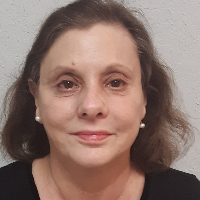
About Nancy
She spent much of her career at a large public teaching hospital in Miami, Florida. That work brought a wide mix of people and problems into her clinical practice. She has provided counseling for people living with medical and mental health conditions, survivors of sexual assault, and patients in correctional settings.
Nancy describes her style as eclectic. She adapts to each person's needs rather than using one fixed method. That can mean client-centered listening, solution-focused planning, or cognitive strategies to change unhelpful thinking and behavior.
She also uses elements of Acceptance and Commitment Therapy and Dialectical Behavior Therapy when helpful. In practice this looks like helping people notice painful thoughts without getting stuck, build coping skills, and choose actions that match their values.
Nancy is particularly aware of increased stressors from recent events and notes a willingness to work with people in the LGBT community. She welcomes a collaborative learning process and aims to help clients find manageable steps forward.
Before booking, readers should confirm current session options and scheduling details directly through the platform.
How Nancy’s approaches translate to online therapy
Acceptance and Commitment Therapy focuses on noticing difficult thoughts and feelings and choosing actions that match personal values. It can help with anxiety, depression, and relationship struggles by clarifying what matters and guiding practical steps. Cognitive Behavioral Therapy helps people spot unhelpful thinking patterns and try different behaviors to change mood and functioning, which can be useful for stress, insomnia, and eating or substance concerns.Nancy treats approach selection as a team effort. She will talk with each person about goals, preferences, and what feels useful. Together they decide whether acceptance strategies, cognitive work, or solution-focused goals fit best, and they adjust the plan as progress and needs change.
Confirm session formats before booking so you know what options are offered. Online work can make it easier to fit therapy into a busy life by removing travel time, allowing shorter check-ins on a day with limited hours, or letting someone choose a session style that matches their energy level. Licensed professionals can still teach coping skills, practice communication exercises, and use structured tools over distance, while tailoring pacing to a person's schedule and needs.
Frequently asked questions
What kinds of concerns does Nancy help with?
She works with stress, anxiety, grief, depression, relationship and intimacy issues, addiction concerns, ADHD, bipolar symptoms, and related life challenges.
How would you describe her therapeutic style?
Nancy uses an eclectic, client-centered style. She adapts methods to each person's needs and often combines solution-focused planning with cognitive and acceptance-based techniques.
What is her professional background?
She has more than 32 years of social work experience, including long-term clinical work at a large public teaching hospital in Miami, Florida.
Which credential does she hold and where is she based?
She holds the LCSW credential and practices in Florida.
Are sessions available in languages other than English?
Sessions are offered in English.
Can international clients work with her?
She accepts international clients, so people outside the U.S. may be matched for sessions.
How are fees and payments handled?
Cost varies with location and therapist availability; sessions use a subscription that can be canceled at any time.
What are the first steps to begin therapy?
Select the continue button on this profile, complete the short matching questionnaire, and schedule sessions according to therapist availability.