- Client-centered approach
- Focus on relationships
- Practical change plans
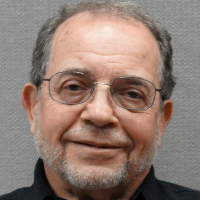
About Michael
Michael uses a client-centered approach that keeps the person's priorities in focus. He encourages honest conversation about what will help and respects the decisions clients make about their lives. He aims to be a steady partner during the process rather than directing every step.
In sessions he draws from attachment-based ideas, emotionally-focused work, psychodynamic thinking, motivational interviewing, and solution-focused strategies. That mix means sessions can include talking through past patterns, identifying emotional needs, building motivation for change, and creating small experiments to try between meetings.
Michael has worked with people facing trauma and abuse, addiction, family-of-origin wounds, and reentry challenges related to incarceration. He also supports those dealing with anger, intimacy problems, career questions, ADHD, and life transitions. His experience includes a focus on fathers and menissues among other concerns.
People choosing him can expect straightforward language and a practical focus on steps that matter. To begin a match, prospective clients complete a short questionnaire and then schedule based on the therapist's availability.
How therapeutic approaches translate to online work
Attachment-based work focuses on how early bonds shape current relationship patterns. Online sessions can help people notice those patterns, name needs, and practice new ways of connecting with others.Client-centered therapy places the person's goals and values at the center. In an online setting this means the therapist listens, reflects, and follows the client's priorities while supporting practical choices between sessions.
Emotionally-Focused Therapy emphasizes identifying and shifting emotional responses that keep people stuck in conflict or distance. Through guided conversation, clients learn to recognize their emotions and try different ways of responding that improve closeness.
Finding the right approach is part of the work together. The therapist will talk with clients about their goals, preferences, and what feels most useful, then test methods collaboratively rather than imposing a single model.
This profile does not specify which session formats are offered, so confirm options before booking. Online therapy can make it easier to fit sessions into a busy life by removing travel time, allowing shorter check-ins, or enabling sessions from wherever it is most convenient. It also lets people continue work when schedules change or travel is necessary, while the therapist and client decide together on pacing and structure.
Frequently asked questions
What kinds of concerns does Michael support?
He works with stress, anxiety, relationship and parenting issues along with grief, trauma and addictions. Additional focuses include anger, intimacy problems, ADHD, and career or life transitions.
What is his therapeutic style like?
Sessions are client-centered and collaborative. He combines emotionally-focused and attachment ideas with motivational interviewing and solution-focused steps.
How much clinical experience does he have?
He has fifteen years of counseling experience across community and clinical settings. That work includes supporting people after trauma, addiction, and family disruption.
What credential and location are listed for this therapist?
He holds LCSW-C (Maryland) and practices in Maryland.
Which languages are sessions offered in?
Sessions are offered in English.
Are online or phone session formats available?
This profile does not list specific session formats. Please confirm current session options before booking.
How does billing and cost work?
Cost varies with location and therapist availability; sessions use a subscription that can be canceled at any time.
How do I begin working together?
Click the continue button on this profile, complete a short matching questionnaire, and then schedule according to the therapist's availability.