- skills focused
- direct and compassionate
- trauma informed
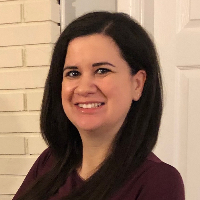
About Meryl
Meryl uses clear, skills-based work to help people find relief. Sessions emphasize learning coping tools, building insight, and trying new responses to old problems. She balances being patient with offering straightforward guidance so clients can make steady progress.
She draws on Cognitive Behavioral Therapy to identify unhelpful thinking and change behaviors. She also uses Dialectical Behavior Therapy tools for emotion regulation and distress tolerance, and Eye Movement Desensitization and Reprocessing for processing traumatic memories. Mindfulness and Motivational Interviewing also inform her work when they fit a person's goals.
Meryl trained in psychology and counseling at the University of West Florida and has about 12 years of professional experience. She has supervised clinical teams in outpatient settings and has worked with issues related to health psychology and substance use.
People who choose her often want a therapist who gives concrete skills and honest feedback. She aims to leave clients with tools they can use long after sessions end. To begin, people typically complete a short matching questionnaire and schedule sessions according to availability.
How therapeutic approaches translate to online care
CBT, or Cognitive Behavioral Therapy, focuses on spotting unhelpful thoughts and testing new behaviors to reduce anxiety, depression, and stress. Sessions typically include simple exercises and homework to practice between meetings.DBT, or Dialectical Behavior Therapy, teaches concrete skills for managing strong emotions and handling conflict. It can help with anger, panic, mood swings, and relationship communication by training emotion regulation and distress tolerance techniques.
EMDR, Eye Movement Desensitization and Reprocessing, is used to process traumatic memories so they cause less distress. The therapist guides the process step by step and helps integrate new, less upsetting ways of remembering difficult events.
Choosing the right approach is a collaborative process. The therapist will discuss goals, symptoms, and preferences, then suggest which methods to try first. That plan can change as work progresses and as different strategies prove helpful.
Online therapy can make it easier to fit sessions into a busy life. Many people find remote work reduces travel time, allows shorter check-ins when needed, and helps keep therapy consistent during transitions. Confirm the current session options before booking to learn which formats are offered and to pick what best fits your schedule and needs.
Frequently asked questions
What concerns does Meryl address?
She works with stress, anxiety, relationship and family problems, trauma and abuse, depression, addictions, grief, intimacy issues, sleep problems, parenting strain, anger, self-esteem, career concerns, bipolar disorder, and coping with life changes.
How would you describe her therapeutic style?
Her style is patient yet direct. She focuses on practical skills, honest feedback, and helping clients try new coping strategies between sessions.
What kind of clinical experience does she have?
She has about 12 years of experience working in outpatient settings and has supervised teams of clinicians to support quality care.
What are her credentials and where is she located?
She is a Licensed Mental Health Counselor, LMHC, licensed in Florida and practices there.
Which languages are supported for sessions?
Sessions are offered in English.
Can she work with international clients?
She does not accept international clients at this time.
How does payment and cost work?
Cost varies with location and therapist availability; sessions use a subscription model that can be canceled at any time.
How do I start sessions with her?
Begin by selecting the continue button on this profile, complete a short matching questionnaire, and then schedule according to the therapist's availability.