- Relationship work
- Trauma-informed care
- Practical strategies
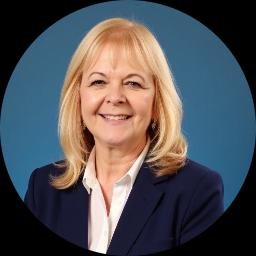
About Marla
Her work often addresses trauma and abuse, grief, depression, addictions, and intimacy-related concerns. She also helps with eating and sleeping issues, parenting strain, anger, self-esteem, career transitions, and coping with life changes. Additional focus areas include abandonment, body image, codependency, communication problems, fertility and end-of-life concerns, and issues affecting caregivers and first responders.
Marla blends practical therapies such as Acceptance and Commitment Therapy, Cognitive Behavioral Therapy, Mindfulness Therapy, EMDR, and a client-centered stance. In sessions she listens first, then offers strategies people can try between meetings. She emphasizes small steps that build toward clearer priorities and healthier relationships.
Her style is steady and encouraging. She helps people name what they want to change and practices techniques that fit their daily lives. People who are navigating transitions, trauma recovery, or ongoing stress will find a therapist who focuses on connection and practical progress.
To begin, people complete a short matching questionnaire and schedule a session according to the therapist's availability. Costs vary by location and use a subscription that can be canceled at any time.
How Marla Uses Therapy Approaches Online
Acceptance and Commitment Therapy helps people clarify their values and take small actions that match those values while learning to notice difficult thoughts without getting stuck. It can be useful for anxiety, stress, and choices around relationships and life changes.Cognitive Behavioral Therapy focuses on identifying unhelpful thoughts and testing new ways of thinking and behaving. It often includes practical exercises people can try between sessions to reduce symptoms of depression and anxiety and to improve communication.
Eye Movement Desensitization and Reprocessing is a trauma-informed approach used to process disturbing memories and reduce their emotional intensity; it can be helpful for people dealing with trauma and abuse.
Finding the right approach is a collaborative process. The therapist will work with each person to choose methods that match their goals, preferences, and the issues they bring. Sessions are paced to what feels manageable and useful for the client.
Session formats are not specified here, so confirm current options before booking. Online therapy can make it easier to fit sessions into a busy life, shorten the time needed for check-ins, and allow work on skills between meetings. Licensed professionals can adapt ACT, CBT, and EMDR techniques to the online setting to help people make steady progress.
Frequently asked questions
What kinds of issues does she help with?
She helps people with stress, anxiety, relationship concerns, trauma and abuse, grief, depression, addictions, and intimacy-related issues, among other concerns.
What is her therapeutic style like?
Her style is client-centered and steady, combining approaches like Acceptance and Commitment Therapy, Cognitive Behavioral Therapy, Mindfulness, and EMDR to fit each person's needs.
How much experience does she bring?
She has 21 years of experience working in the mental health field and supporting people through transitions, trauma recovery, and relationship challenges.
Where does she practice and what are her credentials?
She practices in Arizona and holds the LMHC and LPC credentials as listed.
Which languages are supported for sessions?
Sessions are offered in English only.
Can I work with her from another country?
She does not accept international clients at this time.
How are costs handled for sessions?
Costs vary with location and therapist availability; sessions use a subscription that can be canceled at any time.
How do I start therapy with her?
Click the continue button on this profile, complete a short matching questionnaire, and schedule a session according to the therapist's availability.