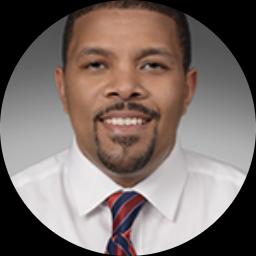
- Compassionate listening
- Goal focused work
- Skills and insight
About John
He uses a mix of practical approaches drawn from Acceptance and Commitment Therapy, Cognitive Behavioral Therapy, and attachment-informed work. Sessions focus on small, doable changes that fit into everyday life. Conversation and concrete skills are blended so people can manage strong emotions and handle difficult situations more clearly.
With 18 years of professional experience as a licensed clinical social worker, he adapts conversation and plans to the person in front of him. That means setting goals together and checking in on what’s working. He emphasizes sensitivity and respect in each session.
John also brings techniques from Dialectical Behavior Therapy and client-centered practice when those methods match a person’s needs. These tools help with emotion regulation, building healthier patterns, and improving how people relate to themselves and others. He explains techniques in simple terms and practices them in-session.
People who want to address grief, addiction, life transitions, caregiver stress, or relationship concerns can expect a collaborative approach. He encourages clear steps, regular feedback, and adjustments as goals change. The focus is on practical progress and steady support.
How his approaches translate to online therapy
John uses Acceptance and Commitment Therapy to help people notice difficult thoughts and choose actions that match their values. That approach is useful for anxiety, depression, and life changes because it centers on small, value-driven steps.He also draws on Cognitive Behavioral Therapy to help people spot and change unhelpful thoughts and behaviors. CBT often includes practical exercises and homework that can be reviewed in-session to track progress.
Finding the right approach is a team effort. He will work with the client to test methods, adjust techniques, and decide which combination of ACT, CBT, or attachment-informed work fits best. This collaborative process aims to match methods to goals and preferences.
The practical benefits of online work include easier fitting of sessions into a busy week and fewer travel demands. Online sessions can make shorter check-ins or regular skills practice more manageable for people juggling work and family. Because the profile does not list specific session formats, confirm available options before booking to know how sessions will be held.
Frequently asked questions
What kinds of concerns does John address?
He helps people with stress, anxiety, trauma and abuse, self-esteem, career struggles, relationship concerns, grief, addiction, anger, depression, and compassion fatigue. He also focuses on issues like adoption and foster care, caregiver stress, and life purpose.
What is his general approach to therapy?
Sessions blend practical skill-building and talk therapy. He uses approaches such as Acceptance and Commitment Therapy, Cognitive Behavioral Therapy, and attachment-informed methods to set clear, achievable goals.
How much experience does he have?
He has 18 years of professional experience working in clinical settings. That background informs a steady, practical style in sessions.
Which credentials and location are listed for him?
He holds LCSW and CSW credentials and is licensed in Georgia. The profile uses only those credentials as provided.
In what language can I work with him?
Sessions are offered in English. He also accepts international clients.
What session formats are available?
The original profile does not list specific session formats. Please confirm current session options before booking so you know which formats are offered.
How are costs handled?
Costs vary by location and therapist availability and use a subscription model that can be canceled at any time. Exact pricing will depend on your chosen subscription and scheduling details.
How do I begin working with him?
Start by selecting the continue button on this profile and completing a short matching questionnaire. After that, schedule sessions according to the therapist's availability.