- Relationship focused
- Practical skill building
- Client-centered care
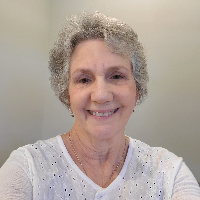
About Jane
She has spent over a decade in independent practice after earlier roles supporting individuals, couples, and families. That mix of settings informs her plainspoken style. She draws on approaches such as Acceptance and Commitment Therapy, Cognitive Behavioral Therapy, Attachment-Based methods, Emotionally-Focused Therapy, and client-centered work to guide sessions.
Her focus includes stress, anxiety, relationship concerns, trauma and abuse, sleep problems, depression, addictions, grief, and intimacy-related issues. She also works with parenting struggles, anger, self-esteem, career transitions, bipolar concerns, and coping with life changes.
Additional areas she pays attention to include abandonment, adoption and foster care issues, aging and caregiver stress, chronic illness and pain, communication problems, dissociation, divorce and separation, eating-related issues, and feelings of emptiness. These topics often show up alongside more common concerns and shape how she plans sessions.
Her counseling tends to be collaborative and straightforward. Sessions aim to clarify what matters to the client, identify manageable steps, and practice real skills between meetings. She welcomes questions and works with each person to find approaches that fit their life and goals.
How certain approaches translate to online work
Acceptance and Commitment Therapy (ACT) helps people clarify what matters to them and take small actions that match those values. It often focuses on coping with painful thoughts and building meaningful routines, which can ease anxiety, depression, and stress-related problems.Attachment-Based Therapy looks at how early relationships shape current patterns. It can help people understand fears around closeness, address trust issues, and improve how they relate to partners and family members.
Finding the right approach is part of the process. The therapist will work together with the client to choose methods that match the person's goals, needs, and comfort level. That collaborative planning can include trying different techniques and adjusting over time.
If you are considering online therapy, confirm the session formats before booking since current session options are not specified here. Online work can make it easier to fit sessions into a busy life - for example by avoiding travel time, allowing shorter check-ins between commitments, or reducing the need to be on camera. Many people find remote sessions helpful for maintaining continuity during life transitions and for practicing new skills in everyday settings.
Frequently asked questions
What kinds of concerns does she help with?
Jane supports people facing stress, anxiety, relationship difficulties, trauma and abuse, sleep troubles, depression, addictions, grief, intimacy issues, and related problems.
What is her general therapeutic style?
Her approach is collaborative and down-to-earth. She emphasizes clear goals, practical skills, and ways to apply what is learned between sessions.
How much experience does she have?
She has 20 years of clinical experience, including more than a decade in independent practice and earlier roles working with individuals, couples, and families.
What are her credentials and where is she located?
She is a Licensed Professional Counselor (LPC) licensed in South Carolina and practices in South Carolina.
Which languages are supported for sessions?
Sessions are offered in English.
Can people from other countries work with her?
She does not accept international clients at this time.
How much do sessions cost?
Cost varies by location and therapist availability; sessions use a subscription that can be canceled at any time.
What steps are involved to begin working together?
To get started, select the continue button on this profile, complete a brief matching questionnaire, and schedule according to the therapist's availability.