- Empathic listening
- Practical strategies
- Growth focused
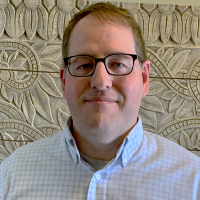
About Freddy
He draws on about 13 years of counseling experience in both rehabilitation and clinical mental health. Freddy uses a flexible approach that adapts to each person's needs. He often brings humor, metaphor, and encouragement to sessions to keep the work honest and human.
Freddy combines client-centered listening with practical strategies from cognitive behavioral and existential approaches. That means he balances understanding where someone is coming from with tools to shift unhelpful thoughts and patterns. He also uses ideas from Jungian work and motivational interviewing when they fit the situation.
His background includes working with people who have disabilities, chronic health challenges, and veterans. He has experience helping with trauma, grief, caregiver stress, parenting concerns, and career or midlife transitions. Freddy emphasizes growth that fits each person’s life, not a one-size-fits-all plan.
To begin, he asks about the real-world issues causing distress and then helps clients choose steps that feel doable. Sessions focus on practical change, clearer communication, and rebuilding confidence. Freddy’s style is warm, direct, and collaborative, aimed at helping people move forward from where they are now.
How key approaches translate to online work
Freddy uses client-centered therapy to focus on the person first, listening closely and following each client's pace so they feel understood. This approach helps people who need space to explore feelings, confusion, or questions about identity.He also draws on cognitive behavioral therapy, which pairs identifying unhelpful thoughts with practical exercises to change behavior. CBT is often useful for anxiety, low mood, stress, and coping with life changes.
Finding the right approach is part of the work. Freddy treats approach selection as a team effort and adjusts methods based on a client's goals, history, and what feels most useful in session. That collaborative process helps clients try different ways of working until something fits.
If you are considering online or remote therapy, confirm the specific session options before booking since formats were not listed in the biography. Online work can make it easier to fit sessions into a busy week, allow shorter check-ins when needed, and reduce travel time. Many people find that video or phone meetings let them maintain momentum between appointments and practice new skills in real life with support from a licensed professional.
Frequently asked questions
What concerns does Freddy address?
He works with a wide range of issues including anxiety, depression, trauma and abuse, relationship and intimacy-related issues, parenting and caregiver stress, and problems with self-esteem and motivation.
What is his therapy style like?
Sessions are collaborative and down-to-earth, blending client-centered listening with practical strategies from cognitive behavioral and existential approaches.
How much clinical experience does he have?
He has about 13 years of counseling experience across rehabilitation and clinical mental health settings.
What credentials and location are listed?
Freddy holds the LPC credential and is licensed in Georgia and South Carolina. His practice is based in South Carolina.
Which languages are supported?
Sessions are offered in English.
Can international clients work with him?
International clients are not currently accepted.
How are fees and payments handled?
Cost varies with location and therapist availability; sessions use a subscription that can be canceled at any time.
How do I begin therapy with him?
Click the continue button on this profile, complete a short matching questionnaire, and then schedule according to the therapist's availability.