- Relationship skills
- Trauma informed care
- Practical coping tools
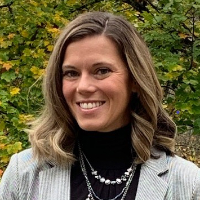
About Erika
Erika brings three years of counseling experience. Her background includes helping people with trauma and abuse, eating and sleep difficulties, anger, self-esteem, and ADHD. She also supports those facing caregiving stress, chronic illness, and life transitions.
Her approach mixes practical skills and reflective work. She uses methods drawn from attachment-based approaches, client-centered work, cognitive behavioral techniques, dialectical behavior strategies, and emotionally-focused ideas depending on what a person needs. Sessions typically focus on clear goals, new coping skills, and understanding how past patterns affect current relationships.
Erika pays attention to how people connect with others and themselves. She helps people talk through communication problems, commitment and intimacy concerns, blended-family challenges, and issues tied to abandonment or attachment. Practical tools and short-term behavior changes are balanced with deeper emotional work when helpful.
People who choose Erika can expect a collaborative style. She listens for what matters, sets goals together, and adjusts methods based on progress. To begin, clients use the site continue button on this profile to complete a short questionnaire and schedule according to therapist availability.
How attachment, CBT, and emotionally-focused work translate online
Attachment-Based Therapy helps people see how early relationship patterns shape current bonds. Online sessions can use this approach to notice interaction habits and try new ways of connecting with partners or family members.Cognitive Behavioral Therapy, or CBT, focuses on identifying unhelpful thoughts and testing new behaviors. It works well for anxiety, depression, sleep problems, and coping with cravings by using exercises and homework between sessions.
Emotionally-Focused Therapy centers on feelings in relationships and aims to strengthen emotional connection. Practically, a therapist guides conversations that help partners or individuals name feelings and respond differently to each other.
Finding the right approach is part of the work. Erika will talk with each person about goals, preferences, and what feels most useful. Together they choose a blend of methods and adjust as progress is made.
The practical benefits of online therapy include easier scheduling and fitting sessions into busy weeks. Online sessions can reduce travel time and make it simpler to attend shorter check-ins or follow-up work. Session formats were not listed in the biography, so confirm current options before booking to ensure they match your needs.
Frequently asked questions
What concerns does this therapist address?
Erika works with stress, anxiety, depression, grief, addictions, and relationship issues. She also helps with eating and sleep problems, ADHD, anger, and caregiver stress.
What is her therapeutic style like?
Her style is collaborative and relationship-focused. She blends client-centered listening with skill-based techniques to set goals and practice new ways of coping.
What kind of experience does she have?
She has three years of counseling experience and focuses on areas such as trauma, addiction, sleep disorders, and relationship challenges.
What credentials and region are listed?
She holds the LPC credential, listed as WV LPC, and practices from West Virginia.
Which languages are supported and can international clients work together?
Sessions are offered in English. International clients are not currently accepted.
What session formats are available?
Session formats are not specified in the biography; please confirm current session options before booking.
How does pricing work for sessions?
Cost varies with location and therapist availability, and sessions use a subscription that can be canceled at any time.
How do I begin working with this therapist?
Click the continue button on this profile, complete a short matching questionnaire, and schedule a time based on therapist availability.