- Trauma-informed care
- Relationship support
- Strengths-based work
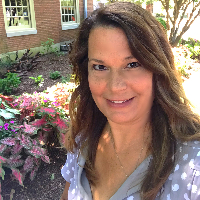
About Diana
She uses a trauma-informed lens to honor each person’s history. That perspective helps when addressing trauma and abuse, compassion fatigue, or post-traumatic stress. She partners with clients to build on strengths and develop clearer ways of relating to others and to themselves.
Dr. Rowan works with people who are navigating grief, addiction, intimacy challenges, fertility concerns, or career transitions. She also brings experience supporting veterans, first responders, and people living with HIV. Her additional focus includes blended family issues, communication problems, infidelity, and coping after disasters.
Her methods draw on Cognitive Behavioral Therapy, Psychodynamic ideas, Solution-Focused techniques, and Trauma-Focused Therapy. Those approaches are used flexibly to match the problem at hand and the client’s preferences. Dr. Rowan believes therapy should fit the person, not the other way around.
She earned a PhD in Social Work from the University of Texas at Arlington and a Master of Social Work from Our Lady of the Lake University. She is an LCSW in North Carolina since 2008 and uses those years of practice to support adults through practical problem solving and deeper reflection.
Approaches to Online Care and How They Help
Dr. Rowan often uses Cognitive Behavioral Therapy and Trauma-Focused Therapy to guide online work. CBT focuses on identifying unhelpful thoughts and testing new behaviors, which can help with anxiety, depression, and relationship patterns. Trauma-Focused Therapy attends to how past traumatic events affect current feelings and reactions, and it supports building skills to manage triggers and reduce overwhelming responses.Choosing the right approach usually happens together. The therapist will talk with the client about goals, preferences, and what has worked or not worked in the past. From there they will try methods that fit the person and adjust the plan as needed, keeping the work collaborative and goal oriented.
The biography does not list specific session formats, so confirm session options before booking. Online therapy can make it easier to fit appointments into a busy schedule, shorten check-in time, or avoid commuting. It can also allow people to meet with a licensed professional who has experience with veterans, first responders, HIV-related concerns, and trauma even when those clinicians are not nearby.
Frequently asked questions
What concerns can be addressed in sessions?
Dr. Rowan supports people with stress, anxiety, depression, relationship issues, trauma and abuse, grief, addictions, intimacy concerns, career questions, and coping with life changes.
What is her general approach to therapy?
She uses a trauma-informed perspective and combines practical, short-term techniques with deeper, reflective work to meet each person where they are.
How much clinical experience does she have?
She has 20 years of experience as a psychotherapist working with a wide range of adult concerns and life transitions.
What credentials and location are listed?
She is a Licensed Clinical Social Worker (LCSW) in North Carolina and has a PhD in Social Work plus an MSW.
Which languages are supported and are international clients accepted?
Sessions are offered in English and she accepts international clients.
What session formats are available?
The original biography does not specify session formats; please confirm current session options before booking.
How does cost and billing work?
Cost varies with location and therapist availability, and sessions use a subscription that can be canceled at any time.
What are the steps to begin working together?
Click the continue button on this profile, complete a short matching questionnaire, and schedule according to the therapist's availability.