- Client-centered focus
- Practical skill building
- Longstanding practice
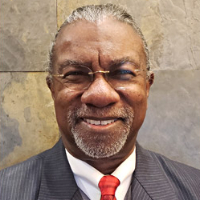
About Denauvo
He uses straightforward, practical conversations to help people find their own strengths. Dr. Robinson draws on client-centered ideas and cognitive-behavioral techniques to address thoughts and behaviors that get in the way. He also integrates hypnotherapy and psychodynamic ideas when they seem helpful.
Over his career he has supported adolescents and adults with personal and psychosocial concerns. He has experience with people in crisis and those involved with courts or social services. He has also worked with couples and family matters and maintains a independent practice that he has run for over fifteen years.
His background includes years of supervision work in university counseling centers. He currently supervises counselors and keeps up his supervision training through conferences and online classes. That ongoing involvement informs how he structures sessions and sets goals with clients.
Dr. Robinson aims for a collaborative approach. He asks questions, listens for strengths, and helps people build skills they can use outside sessions. If someone wants to explore relationship patterns, life transitions, or issues like grief and self-esteem, he offers steady, experienced guidance.
How his approaches shape online relationship work
Dr. Robinson commonly uses client-centered methods that prioritize listening and building trust. This approach focuses on what the client brings to the room and helps them discover resources they already have, which can be useful for relationship concerns and life transitions.He also uses cognitive-behavioral therapy, which looks at how thoughts and behaviors affect feelings. CBT helps people learn practical skills to manage anxiety, stress, depression, and communication problems in relationships.
Finding the right approach is part of therapy. He works collaboratively to choose techniques that match a client's goals and preferences. That means decisions about pacing, homework, or combining methods are made together rather than imposed.
Because specific session formats are not listed in his biography, please confirm the available options before booking. In general, working with a licensed professional online can make it easier to fit sessions into a busy week, shorten check-ins when time is tight, or avoid travel that interferes with appointments. These practical benefits can help people keep therapy consistent while they work on relationship patterns, grief, or coping skills.
Frequently asked questions
What kinds of concerns does this therapist address?
Dr. Robinson works with relationship issues, family matters, grief, intimacy-related problems, parenting, stress, anxiety, trauma and abuse, and many other life concerns listed in his specialty areas.
How would you describe his therapeutic style?
He uses a collaborative, straightforward style that focuses on strengths and skill building. Sessions combine client-centered listening with cognitive-behavioral and other approaches to address thoughts, behaviors, and patterns.
What is his professional background?
He has 48 years of counseling experience across residential programs, community agencies, university counseling centers, and independent practice, and he currently supervises aspiring counselors.
What are his credentials and where is he based?
He holds the LCMHC credential and practices in North Carolina.
Which languages are available for sessions and can international clients participate?
Sessions are offered in English, and he accepts international clients.
What session formats are offered?
Please confirm current session options before booking, as specific formats are not listed in the biography.
How does payment and cost work?
Cost varies with location and therapist arrangements; sessions use a subscription that can be canceled at any time.
How do I begin working with him?
Select the continue button on this profile, complete the short matching questionnaire, and schedule according to the therapist's availability.