- Practical planning
- Relationship focus
- 12 years experience
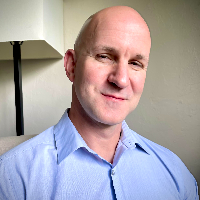
About David
David uses clear, straightforward methods in sessions. He listens first, then works with each person to build a practical plan. Sessions focus on small, manageable steps rather than vague goals.
His background includes work with mood disorders, panic, phobias, and post-traumatic stress. He also supports people dealing with guilt, shame, control issues, and isolation. When substance use is part of the picture he helps people look at motivation and next steps.
In sessions David draws on client-centered ideas to keep conversations grounded in the client’s experience. He pairs that with cognitive behavioral tools to change unhelpful thoughts and behaviors. Mindfulness and solution-focused techniques are used to steady strong emotions and set short-term goals.
People who turn to him often want practical strategies they can use between appointments. He frames progress as steady work rather than instant fixes. The emphasis is on improving daily functioning and relationships over time.
Approaches that translate to online work
Client-centered therapy focuses on the person’s experience and values, giving space for the client to steer sessions while the therapist listens and reflects. This approach helps people feel heard and clarifies what matters most to them.Cognitive behavioral therapy (CBT) looks at the link between thoughts, feelings, and actions and teaches concrete skills to change unhelpful patterns. CBT is often used for anxiety, depression, panic, and mood concerns and works well when clients want practical tools to use between sessions.
Mindfulness therapy trains attention and present-moment awareness to reduce reactivity and steady emotion. It can be useful for stress, anger, and trauma-related symptoms when someone wants skills to calm intense states.
Finding the right approach is a collaborative process. The therapist will discuss goals, try methods that fit those goals, and adjust the plan as needed. Clients are invited to give feedback so sessions stay useful and focused on what they want to change.
Confirm the session formats available before booking since the original biography lists office, in-home, and telehealth but current options may vary. Online sessions can make it easier to fit therapy into a busy life, reduce travel time, and allow follow-up work between appointments. Licensed professionals can use these formats to offer regular check-ins and skill practice that fit daily routines.
Frequently asked questions
What concerns does he help with?
He works with stress, anxiety, addictions, trauma, anger, depression, grief, relationship and intimacy issues, parenting and fatherhood concerns, and related problems like isolation and guilt.
What is his therapeutic style like?
He uses a pragmatic, client-centered style that focuses on listening first and then building a plan with clear steps to reach goals.
How much experience does he have?
David has 12 years working in mental health and has helped people with mood disorders, panic, phobias, and substance use concerns.
What credentials and location apply?
He is a Licensed Mental Health Counselor (LMHC) practicing in Florida.
Which languages are supported and can he work internationally?
Sessions are offered in English and he accepts international clients.
What session formats are available?
The original biography mentions office, in-home, and telehealth options; confirm current session options before booking.
How is cost handled?
Cost varies with location and therapist availability, and sessions use a subscription that can be canceled at any time.
How do I begin working with him?
Use the continue button on this profile, complete a short matching questionnaire, and schedule according to therapist availability.