- Warm collaborative style
- Practical coping skills
- Culturally responsive care
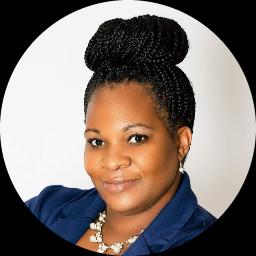
About Christine
She centers sessions on each person's story and goals. That means listening first, then working together to set small, achievable steps. Christine draws on approaches like cognitive behavioral methods and mindfulness to help change unhelpful patterns. She also uses client-centered and emotion-focused ideas to strengthen relationships and emotional awareness.
Clients often bring issues such as grief, trauma, addiction, low self-esteem, or struggles with intimacy. Christine also supports people facing career changes, caregiver stress, and life transitions like adoption or aging concerns. She aims to make sessions relevant to the pressures of daily life.
Her work pays attention to culture and identity. She explains options clearly and invites feedback so therapy fits each person’s background and values. Sessions emphasize building coping skills, improving communication, and increasing self-understanding.
People who prefer a collaborative, strengths-based approach tend to connect well with her. Christine encourages practical homework and short-term goals when helpful. For those unsure how to begin, she helps map a straightforward plan and adjusts it as needs evolve.
How Christine’s Approaches Translate to Online Work
Client-Centered Therapy emphasizes listening and shaping sessions around what matters most to the client. In practice this means the therapist follows the client’s lead, checks in about priorities, and adapts tools to fit each person’s life. Cognitive Behavioral Therapy, or CBT, focuses on identifying unhelpful thoughts and testing new behaviors. It often includes concrete exercises and short homework tasks to try between sessions. Dialectical Behavior Therapy, or DBT, blends acceptance and change strategies and offers skills for managing strong emotions and improving relationships.Finding the right approach is a collaborative process. Christine will discuss different methods and involve the client in choosing what to try first. She reviews progress and adjusts the plan based on what’s working and what isn’t.
If you’re considering online therapy, confirm current session options before booking so you know what formats are available. Online work can make it easier to fit sessions into a busy week, shorten commute time, and allow for brief check-ins when days are tight. It also supports continued work through life transitions or when travel makes in-person visits difficult. Licensed professionals can help tailor exercises and homework to fit an online rhythm and daily routines.
Frequently asked questions
What kinds of concerns can I bring to therapy?
She works with a wide range of concerns including stress, anxiety, depression, parenting strain, relationship and intimacy issues, ADHD, addictions, grief, trauma, and career stress.
What is the therapist's way of working in sessions?
Christine uses a collaborative, client-centered approach that mixes practical skill-building with emotional exploration. Sessions often include goal-setting, skill practice, and reflective conversation.
How much clinical experience does she have?
She has 17 years of clinical experience helping people navigate life changes, coping skills, and relationship concerns.
What are her professional credentials and where is she based?
She is a Florida Licensed Mental Health Counselor, listed as LMHC, and practices in Florida.
Which languages are sessions offered in?
Sessions are offered in English.
Can people outside the United States work with her?
International clients are not currently accepted; she works with clients located in her licensed region.
How does payment and cost work?
Cost varies with location and therapist availability; sessions use a subscription that can be canceled at any time.
How do I begin working with Christine?
Click the continue button on this profile, complete a short matching questionnaire, and schedule according to therapist availability.