- Warm nonjudgmental care
- Skills and tools
- Values-based focus
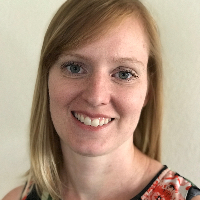
About Christine
Christine uses practical tools in sessions so people leave with skills they can try between visits. She draws on Cognitive Behavioral Therapy (CBT) to identify unhelpful thinking and build new habits. Dialectical Behavior Therapy (DBT) skills are used for emotion regulation and impulse control, and Acceptance and Commitment Therapy (ACT) helps people focus on values and committed action.
With six years of experience, Christine has worked as a counselor, skills coach, and crisis counselor. That range informs a flexible style that mixes coaching, skills practice, and traditional talk therapy. She emphasizes clear communication and straightforward techniques that can be used in everyday life.
Christine pays attention to family of origin issues, communication problems, and difficulties like social anxiety, workplace stress, and young adult transitions. She also addresses shame, guilt, self-harm thoughts, and struggles with self-love and life purpose in a compassionate way.
Sessions are offered in English and Christine holds LPC licensure in Texas and Virginia. If someone is ready to begin, she invites them to take the initial step and complete the intake process to match goals with a plan.
How Christine uses CBT, DBT, and ACT online
Christine frequently draws from Cognitive Behavioral Therapy to help people notice patterns of thinking that worsen stress or anxiety, then practices new ways of responding. CBT is very practical and often focuses on small, doable changes in daily routines and reactions.Dialectical Behavior Therapy supplies skills for managing intense emotions and impulsivity. These lessons teach grounding, distress tolerance, and step-by-step emotion regulation that can reduce overwhelm and improve decision making.
Acceptance and Commitment Therapy centers on clarifying personal values and taking committed action toward them, even when difficult feelings are present. ACT can help people reconnect with what matters and set simple goals that align with those values.
Finding the right approach is a collaborative process. The therapist will talk with the client about goals, preferences, and past experiences to decide which methods to emphasize. Plans may combine elements from different techniques so the work fits the person rather than forcing a single method.
Confirm the current online session options before booking, as formats were not specified in the original biography. Online therapy can make it easier to fit sessions into a busy life, reduce commuting time, and allow shorter check-ins when a full visit is not needed. Discuss practical scheduling needs when arranging the first appointment so sessions match everyday routines.
Frequently asked questions
What concerns does Christine address?
She helps people with stress, anxiety, depression, bipolar disorder, ADHD, and relationship and family concerns, as well as grief, trauma, eating issues, and self-esteem struggles.
What is her therapy style like?
Her style is warm and understanding with an emphasis on teaching practical skills. Sessions combine talk, coaching, and exercises to practice between meetings.
How much clinical experience does she have?
She has six years of experience working as a counselor, skills coach, and crisis counselor.
What credentials and location are listed?
She is a Licensed Professional Counselor (LPC) and practices from Texas with LPC licensure noted for Texas and Virginia.
Which languages are supported for sessions?
Sessions are offered in English.
What session formats are available?
The original biography does not specify session formats; confirm current session options before booking.
How does pricing and billing work?
Cost varies by location and therapist availability; sessions use a subscription that can be canceled at any time.
How do I get started?
Click the continue button on this profile, complete the short matching questionnaire, and schedule according to therapist availability.