- Client-centered approach
- Focus on relationships
- Practical coping skills
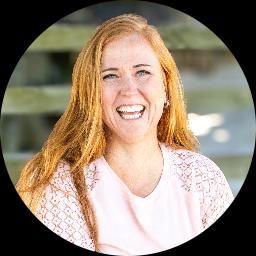
About Cheryl
She uses straightforward conversation to tailor care to each person. Cheryl listens for what matters most and helps people set small, doable goals. She draws on approaches that encourage practical skill building and clearer thinking so clients can try new ways of coping.
Her background includes work with active duty military and veteran services, and study in Hispanic and Chicano cultural topics. She also has training related to religious trauma and adjusting after involvement in high demand religions. These experiences inform how she connects with people from different backgrounds.
Cheryl frames therapy as a partnership. She focuses on building confidence, improving communication, and addressing intimacy and relationship concerns when they arise. She also supports people dealing with grief, addictions, body image, caregiver stress, ADHD, and other overlapping problems.
Her approach aims to help people find more satisfying daily routines and clearer choices. People who want practical steps and respectful listening may find her style direct and encouraging. To begin, clients complete a short matching questionnaire and schedule sessions based on availability.
How Cheryl’s Approaches Work Online
Client-Centered Therapy focuses on listening and understanding each person's experience. The therapist follows the client's lead, reflects what she hears, and helps people feel understood while they work toward change. Cognitive Behavioral Therapy, or CBT, looks at the links between thoughts, feelings, and actions and teaches practical skills to shift unhelpful patterns. CBT is often used for anxiety, depression, and stress management. Dialectical Behavior Therapy, or DBT, teaches emotion regulation, distress tolerance, and clearer communication skills that help with intense feelings and relationship problems.Finding the right approach is part of the work together. Cheryl will discuss goals, preferences, and daily life to decide which methods fit best. That decision is collaborative and can change as needs evolve.
Session formats are not specified in the biography, so please confirm the available options before booking. Online therapy can make it easier to fit sessions into a busy week, reduce travel time, and allow shorter check-ins when needed. It can also support consistent work on skills between meetings, homework, and tracking progress in everyday settings.
Frequently asked questions
What concerns does Cheryl typically address?
She helps people with stress, anxiety, depression, self-esteem, career challenges, coping with life changes, addictions, grief, relationship and intimacy-related issues, and many related concerns.
What is her therapy style like?
Cheryl uses a client-centered approach with practical techniques from cognitive behavioral and dialectical behavior therapies to help people change unhelpful patterns and build coping skills.
How much clinical experience does she have?
She has ten years of professional work experience in the mental health field, including work with active duty military and veteran services.
What credentials and location apply to her practice?
She holds LPC and LCMHC credentials and practices in North Carolina with licences listed as SC LPC and NC LCMHC.
Which languages are supported during sessions?
Sessions are offered in English.
Can international clients work with her?
Yes, international clients are accepted.
How are session costs handled?
Costs vary with location and therapist availability; sessions use a subscription that can be canceled at any time.
What are the first steps to start therapy?
Select the continue button on this profile, complete a short matching questionnaire, and schedule according to the therapist's availability.