- Relational focus
- Practical skills
- Culturally responsive
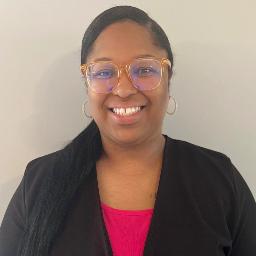
About Cayresten
She brings ten years of experience in the mental health field and practices in Georgia. Sessions emphasize culturally responsive care and respect for each person's background. Conversations are used to identify patterns, build skills, and set small, achievable goals for change.
Cayresten draws on several evidence-informed methods to guide work on things like depression, addiction, grief, ADHD, body image, and workplace challenges. She helps people with communication problems, codependency, commitment worries, and the strain of caregiving. Practical exercises and real-life strategies are commonly part of the process.
Her approach centers on collaboration; she and the client plan the work together and adjust methods to fit individual needs. The therapy space is intended to be affirming for people from diverse backgrounds and sexual orientations. Cayresten focuses on building self-understanding, resilience, and healthier ways of relating.
People who want straightforward, relational support and clear steps to change may find her style helpful. To begin, clients follow the site's matching steps and schedule sessions according to availability.
How therapy approaches guide online work
Acceptance and Commitment Therapy, often called ACT, encourages people to notice difficult thoughts and feelings without getting pushed around by them. It focuses on clarifying values and taking small steps toward a meaningful life, which can help with anxiety, depression, and relationship distress.Cognitive Behavioral Therapy, or CBT, looks at the links between thoughts, feelings, and actions. It uses practical exercises and homework to change unhelpful thinking and behaviors and can be useful for work stress, mood problems, and anxiety.
Finding the right approach is part of the work. The therapist will talk with the client about goals, preferences, and what feels most useful, and then together they will choose methods to try. This keeps the plan flexible and tailored to each person's needs.
If you are considering online sessions, confirm which session formats are currently offered before booking. Online therapy can make it easier to fit appointments around work, school, or caregiving, reduce commute time, and allow shorter check-ins when a full session isn't needed. Licensed professionals can adapt ACT and CBT techniques for remote conversation and between-session practices to keep progress moving forward.
Frequently asked questions
What kinds of concerns can be addressed in sessions?
Common topics include stress, anxiety, relationship issues, trauma and abuse, intimacy concerns, depression, addictions, grief, parenting strain, and body image.
How would you describe the therapy style?
The style is collaborative and practical, combining conversation with skill-building exercises to address patterns and improve daily functioning.
What experience does the clinician bring?
The therapist has ten years of experience working in the mental health field with a range of adult concerns and diverse lived experiences.
What credentials and region are listed?
The clinician holds an LPC credential and practices in Georgia as a licensed professional counselor.
Are sessions offered in other languages or internationally?
Sessions are offered in English and international clients are not currently accepted.
What session formats are available?
Session formats are not specified here; please confirm current session options before scheduling.
How does pricing work?
Cost varies with location and therapist availability, and sessions use a subscription that can be canceled at any time.
What are the steps to begin therapy?
To start, select the continue button on this profile, complete a short matching questionnaire, and schedule according to therapist availability.