- Relationship focus
- Trauma recovery
- Skill building
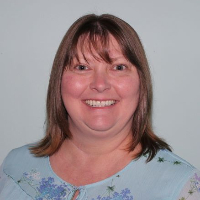
About Carol
Many clients come feeling misunderstood or exhausted by strong emotions and intrusive memories. Carol helps people identify where those feelings may come from and how past events can shape present responses. She pays attention to patterns such as codependency, attachment wounds, and family of origin problems that often keep people stuck.
Her work uses practical, evidence-informed approaches so clients learn skills they can use between sessions. Carol draws on client-centered methods to follow each person’s pace and priorities. She also uses cognitive behavioral strategies to change unhelpful thinking and dialectical behavior ideas to build emotion regulation and distress tolerance.
Carol brings particular experience supporting people impacted by sexual assault, childhood abuse, and other forms of trauma. She helps people work through shame, guilt, dissociation, and post-traumatic stress, while also addressing related concerns like substance use and compassion fatigue.
Sessions also address life transitions, career questions, parenting strain, and the search for meaning. People who want a direct, compassionate clinician to help them name painful patterns and practice new ways of relating may find her approach useful.
How therapeutic approaches shape online care
Client-Centered Therapy puts the person’s experience first and focuses on listening and reflecting so clients feel understood and can set their own goals. This approach helps when someone needs a safe space to explore identity, shame, or relationship patterns. Cognitive Behavioral Therapy (CBT) looks at the links between thoughts, feelings, and actions and teaches practical skills to reduce anxiety, depression, and unhelpful thinking. DBT ideas add techniques for managing intense emotions and improving distress tolerance during overwhelming moments.Finding the right approach is part of the work. The therapist will collaborate with each person to decide which methods fit best for their goals and preferences. That conversation often includes trying techniques and adjusting the plan as needed so it feels useful in everyday life.
The original biography does not list specific online session formats, so confirm current options before booking. In general, online work can make it easier to fit therapy into a busy schedule, allow shorter check-ins when a full visit is not needed, and let people use strategies from session directly in their daily routines. Licensed professionals can help tailor session length and focus to what fits each person’s life and goals.
Frequently asked questions
What issues does Carol commonly address?
She supports people facing stress, anxiety, depression, grief, trauma and abuse, relationship and intimacy-related issues, addictions, and career or life-change concerns.
How would you describe her therapeutic style?
Her style is person-centered and practical. She follows the client’s lead while teaching skills from cognitive and dialectical behavior approaches.
What relevant experience does she bring?
She has 15 years of experience and has worked extensively with survivors of sexual trauma and childhood abuse.
Which credentials and region are listed for this therapist?
She holds LMHC and LPC credentials and is based in Georgia with licenses listed as FL LMHC and GA LPC.
In which language are sessions offered?
Sessions are offered in English and international clients are not currently accepted.
What session formats are available?
The original biography does not specify session formats, so confirm current session options with the service before booking.
How is cost handled for sessions?
Cost varies with location and therapist availability; sessions use a subscription that can be canceled at any time.
How do I begin working with this therapist?
Select the continue button on this profile, complete a short matching questionnaire, and schedule according to therapist availability.