- Relationship support
- Trauma informed
- Practical skills
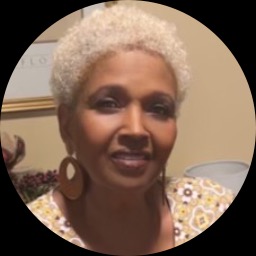
About Audrey
Audrey draws on practical tools rather than one-size-fits-all solutions. She adapts methods to match each person's needs and preferences. Sessions focus on listening, building trust, and working toward clear steps that can ease daily struggles.
Her background includes work in hospital inpatient settings, outpatient community clinics, in-home services, and group and individual counseling. That range has shaped a flexible style that fits many situations and life stages. She emphasizes respect and unconditional positive regard in every session.
Audrey uses a lifespan and multicultural lens when helping people. She listens without judgment and treats the client as the expert on their life. Together they identify goals and try approaches that feel practical and realistic.
Her practice mixes conversational support with evidence-informed techniques. Clients can expect empathy, straightforward feedback, and an emphasis on skills they can use between sessions. Audrey invites a collaborative process and aims to help people find clearer footing during difficult times.
How therapeutic approaches shape online support
Client-Centered Therapy emphasizes listening and working at the client's pace. It focuses on empathy and respect so people can explore their concerns and make their own choices. Cognitive Behavioral Therapy, or CBT, looks at the links between thoughts, feelings, and actions and teaches practical skills to change unhelpful patterns; it can help with anxiety, depression, and coping with life changes. Dialectical Behavior Therapy, DBT, teaches emotion regulation, distress tolerance, and better interpersonal skills useful for strong emotions, relationship difficulties, and mood instability.Choosing an approach is a shared process. The therapist will work with each person to match methods to goals and preferences, trying different techniques as needed. This collaborative way makes it easier to find what helps most for the problems at hand.
Confirm current session options before booking so you know which formats are available. Online work can make it easier to fit therapy into a busy life, shorten travel time, and allow quick check-ins when schedules are tight. Some formats use less bandwidth or do not require video, which can help on a hectic day. Discuss practical needs during the first steps so sessions can be arranged to fit everyday routines.
Frequently asked questions
What concerns does she help with?
She supports people dealing with stress, anxiety, depression, grief, trauma, anger, relationship and intimacy issues, parenting strains, and identity concerns including LGBT matters.
How would you describe her therapy style?
Her style is warm and client-centered, focusing on trust, respect, and unconditional positive regard while tailoring techniques to each person's needs.
What kind of experience does she bring?
She brings 25 years of counseling experience across hospital inpatient care, outpatient community settings, in-home work, and group and individual support.
What are her credentials and where is she based?
She is a Licensed Professional Counselor (LPC) practicing in Georgia and holds the credential GA LPC as provided.
Which languages are offered for sessions?
Sessions are offered in English.
Can international clients work with her?
She is not currently accepting international clients.
How are costs and payment handled?
Cost varies with location and therapist availability; sessions use a subscription that can be canceled at any time.
How do I begin working with her?
Start by selecting the continue button on this profile, complete a short matching questionnaire, and schedule according to therapist availability.