- Client-centered
- Practical tools
- Goal oriented
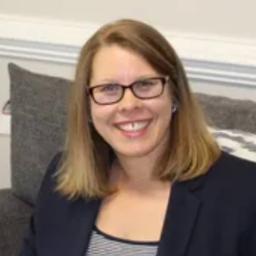
About Amy
Amy has about 15 years of experience in community mental health and independent practice. She earned a Bachelor of Science from North Carolina State University and a Master of Arts in Counseling from North Carolina Central University. Early clinical work included a practicum in hospice and an internship counseling women with mental illness, addiction, and trauma.
For a decade she provided solution-focused counseling to active duty military and their families. That work shaped her practical approach to problem-solving and goal setting. Amy blends client-centered care with tools from cognitive behavioral therapy and motivational interviewing.
Sessions often look at the connection between mind and body. She supports mental, physical, spiritual, and financial self-care in concrete ways. Clients who are juggling caregiving, chronic illness, or major life changes may find this useful.
Amy describes herself as a single older mom to an energetic toddler, so she understands how life can pull people off balance. She aims to support and empower people as they work toward clearer choices and healthier routines.
How her approaches translate to online work
Amy uses client-centered methods to ground sessions in each person's priorities. That means she listens first, follows the client's lead, and tailors conversations to what matters most. This approach helps when someone needs emotional support, clarity on values, or steady coaching through hard moments.She also uses cognitive behavioral therapy to identify unhelpful thinking and try small behavior changes. CBT is useful for anxiety, depression, stress, and practical coping skills. Motivational interviewing is another tool she draws on to help people resolve uncertainty and strengthen motivation for change, which can be helpful for addiction, health behavior, and career shifts.
Finding the right approach is part of the work together. The therapist will collaborate with the client to choose methods that match goals, needs, and preferences. That may mean focusing on skills practice one week and values-based planning the next.
Confirm the specific session options before booking so you know how she is offering care. Online sessions can make it easier to fit therapy into a busy schedule, shorten travel time, allow a quieter check-in during a work break, or avoid needing to be on camera for every meeting. These practical benefits help people maintain regular contact and progress toward their goals.
Frequently asked questions
What kinds of concerns can be addressed?
Amy works with a broad range of issues including addictions, grief, self esteem, career questions, coping with life changes, stress, anxiety, relationship and family concerns, trauma and abuse, anger, depression, and compassion fatigue.
What is her general therapy style?
Her approach is practical and collaborative, blending client-centered listening with tools from cognitive behavioral therapy, motivational interviewing, and solution-focused work to set achievable goals.
How much experience does she have?
She brings about 15 years of clinical experience from community mental health and independent practice settings, including work with hospice and military populations.
What credential does she hold and where is she based?
She is a licensed clinical mental health counselor, LCMHC, licensed in North Carolina. Her practice is located in North Carolina.
In which language are sessions offered?
Sessions are offered in English and she accepts international clients.
What session formats are available?
Please confirm current session formats before booking so you know which options are supported for scheduling and care.
How is cost handled?
Cost varies with location and therapist availability; sessions use a subscription that can be canceled at any time.
How do I begin working with her?
Start by selecting the continue button on this profile, complete a short matching questionnaire, and then schedule according to the therapist's availability.