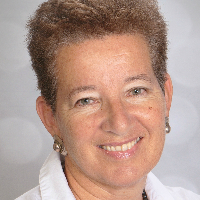
About Alison
Alison aims to be direct and caring in sessions. She avoids judgment and helps people talk through difficult feelings. Her style includes listening closely, asking practical questions, and offering steps people can try between meetings.
Her work draws on several therapy approaches. She uses client-centered methods to keep the person’s experience in focus. She employs techniques from dialectical behavior therapy to help manage strong emotions and from emotionally-focused therapy to look at patterns in relationships.
Alison has long experience with people who feel different because of sexuality, physical ability, or ethnicity. She has worked with families of Holocaust survivors and with a range of family relationship and partner issues. She helps people learn more about how they interact with others and themselves.
In sessions she often combines practical tools with deeper conversation about patterns and history. The goal is clearer choices and manageable steps forward. People who want straightforward, respectful support often choose to work with her.
How Alison’s approaches translate to online care
Client-Centered Therapy keeps the person’s experience at the center. The therapist focuses on understanding your feelings and priorities and follows your pace. This approach helps when someone needs acceptance and clearer self-understanding. Dialectical Behavior Therapy, or DBT, teaches concrete skills for managing intense emotions, tolerating distress, and improving interactions with others. It can help with anxiety, mood swings, and stress. Emotionally-Focused Therapy looks at patterns in close relationships and teaches ways to change interaction cycles so people feel more connected and understood.Choosing the right approach is part of therapy. The therapist will work together with the client to decide which methods match the person’s goals and preferences. That process can begin in early sessions and shift over time as needs change.
The biography does not list specific session formats, so please confirm current options before booking. Online sessions can make it easier to fit therapy into a busy week, reduce travel time, and allow shorter check-ins when needed. They also let people take part from different locations, which can help when coordinating work, family, or travel. Licensed professionals can adapt exercises, homework, and skills training to an online setting so the work remains practical and focused on real-life change.
Frequently asked questions
What kinds of concerns does Alison help with?
She helps people with stress, anxiety, relationship and self-esteem problems, as well as grief, trauma, addictions, compassion fatigue, and life changes.
What is her therapy style like?
Her approach is caring and direct. She listens without judgment and helps people identify practical steps to try between sessions.
How much experience does she have?
She has 29 years of experience as a licensed clinical social worker and has worked with people from diverse backgrounds.
What credentials and location are listed?
She holds the LCSW credential and practices in Delaware; she also holds a Florida LCSW and a Delaware LCSW designation as listed.
Which languages are supported for sessions?
Sessions are offered in English and Hebrew, and she accepts international clients.
What session formats are available?
The biography does not specify session formats; please confirm current session options before booking.
How does cost and billing work?
Costs vary with location and therapist availability; sessions use a subscription that can be canceled at any time.
How do I begin working with her?
Click the continue button on this profile, complete a short matching questionnaire, and schedule according to therapist availability.