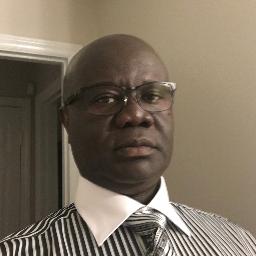
- 23 years experience
- Addiction recovery focus
- Works with trauma
About Agyenim
He focuses on practical goals. Sessions often look at coping skills, relapse prevention, and ways to manage overwhelming feelings. He also helps people with relationship and intimacy-related issues, career stress, grief, and self-esteem concerns. His work includes helping people navigate life changes and caregiver strain.
His clinical work uses several approaches, including Acceptance and Commitment Therapy, Attachment-Based ideas, Client-Centered methods, Cognitive Behavioral Therapy, and Dialectical Behavior Therapy. He applies techniques from these models to real everyday problems like sleeping difficulties, anger, and communication breakdowns. He also brings experience with co-occurring medical and mental health conditions.
Dr. Akuamoah-Boateng has long experience with addiction recovery and relapse prevention, including support for stopping alcohol and drug use and building recovery skills. He also supports people dealing with trauma, compassion fatigue, and the effects of disaster and crisis on daily life.
To begin, users follow the site Start Therapy flow and complete a short matching questionnaire. The questionnaire and scheduling link clients to available appointment times and help match needs and goals.
How his approaches shape online work
Acceptance and Commitment Therapy (ACT) focuses on noticing difficult thoughts and feelings without getting stuck in them, and on clarifying personal values to guide action. It can help people dealing with trauma, anxiety, and problems that feel overwhelming. Attachment-Based Therapy looks at how early relationship patterns affect current connections and emotional responses, which can help with intimacy-related issues and communication difficulties.Finding the right approach is part of the process. The therapist will work collaboratively to choose or blend techniques based on a client's needs, goals, and comfort. That means trying methods, checking what helps, and adjusting direction together over time.
The original biography does not list specific online session formats, so confirm the available options before booking. In general, online therapy can make it easier to fit sessions into a busy life, shorten travel time, and allow for quicker follow-up contact between appointments. It also permits different ways to work on skills practice, relapse prevention, and communication exercises that fit day-to-day routines.
Frequently asked questions
What concerns does he address?
He works with stress, anxiety, depression, trauma, addictions, grief, relationship and intimacy-related issues, sleeping problems, anger, self-esteem, career strain, ADHD, and related concerns.
How would you describe his therapeutic style?
His style is practical and goal-oriented. He uses skills practice, relapse prevention, and supportive discussion to help people meet everyday challenges.
What background does he bring to sessions?
He has 23 years in mental health and substance use care and has worked in independent practice since 2001, including work with co-occurring medical and mental health conditions.
What credentials and location are listed?
He is a Licensed Clinical Mental Health Counselor (LCMHC) practicing in North Carolina.
Which languages are supported for sessions?
Sessions are offered in English, and he accepts international clients.
What session formats are available?
The biography does not specify exact session formats. Please confirm current session options before booking.
How are fees handled?
Cost varies with location and therapist availability; sessions use a subscription that can be canceled at any time.
How do I start working with him?
Click the continue button on this profile, complete a short matching questionnaire, and schedule according to therapist availability.