- Client-centered focus
- Practical tools
- Trauma-informed care
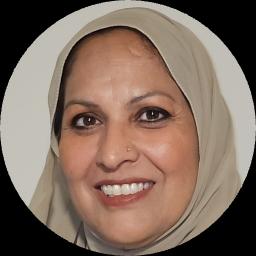
About Aabeda
In sessions she starts by listening closely to each person’s story and asking what matters most right now. She uses Client-Centered Therapy to follow the client’s pace and prioritize what they want to change. Cognitive Behavioral Therapy helps identify unhelpful thoughts and test new behaviors in everyday life.
Her background includes supporting people through family conflict, divorce and separation, caregiver stress, and grief related to aging. She also addresses attachment wounds, abandonment, and struggles with shame or guilt. Trauma-focused work is part of how she approaches post-traumatic stress and abuse recovery.
Aabeda draws on Narrative Therapy and Solution-Focused Therapy to help people reframe painful experiences and set practical steps toward clearer goals. Sessions often mix short-term goal work with space for deeper processing. The aim is to leave clients with usable skills for handling stress and stronger insight into relationship patterns.
People seeking therapy are invited to talk about what they want to change and to set realistic, stepwise goals. She offers collaborative care that balances compassionate listening with concrete tools to support everyday life.
How therapeutic approaches guide online work
Aabeda often combines Client-Centered Therapy and Cognitive Behavioral Therapy when helping people online. Client-Centered Therapy means the session follows the client’s concerns and pace, with the clinician listening and reflecting to help clarify goals. Cognitive Behavioral Therapy focuses on noticing unhelpful thoughts and testing small behavior changes to reduce anxiety, improve mood, or shift relationship patterns.Finding the right approach is part of the process. The therapist collaborates with each person to decide which methods fit their needs and goals. That collaboration includes checking in about what feels helpful and adjusting techniques as progress is made.
Confirm the exact session formats before booking because the biography does not list specific options. Online work can make it easier to fit therapy into a busy week, avoid travel time, and keep sessions shorter when needed. It can also allow people to continue regular sessions during life changes or while living outside the therapist’s state. Aabeda uses her clinical approaches to create focused, practical sessions that aim to reduce stress and strengthen relationship skills while fitting into everyday life.
Frequently asked questions
What kinds of concerns can be addressed?
Aabeda works with stress, anxiety, relationship and intimacy issues, trauma and abuse, depression, and addiction concerns. She also helps with family conflict, caregiver stress, and life transitions like divorce and separation.
What is her general therapy style?
She uses a client-centered style that prioritizes the client’s goals and voice. Sessions often incorporate CBT and solution-focused techniques to create practical steps forward.
What experience does she bring?
She has 16 years of professional experience working with people facing trauma, relationship strain, stress, and self-esteem challenges.
Which credentials and region apply?
She holds LCSW and LCSW-C credentials and practices in Florida.
Which languages are supported?
Sessions are offered in English, Hindi, Urdu, and Bihari languages. International clients are accepted.
What session formats are available?
Confirm current session options before booking since the biography does not list specific formats. Please check the platform or contact support to verify how sessions are scheduled.
How is cost handled?
Cost varies with location and therapist availability; sessions use a subscription that can be canceled at any time.
How do I begin working together?
Use the continue button on this profile, complete a short matching questionnaire, and schedule according to therapist availability.