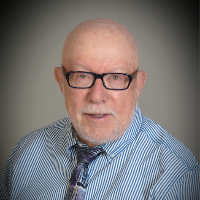
- Warm interactive style
- Goal oriented
- Substance experience
About James
He uses a blend of practical techniques to address stress, anxiety, depression, anger, and substance-related problems. He also helps people dealing with grief, trauma and abuse, eating concerns, low self-esteem, bipolar symptoms, and compassion fatigue. Relationship concerns are part of his clinical focus as well.
Over three decades he has built experience working with aging and geriatric issues, caregiver stress, cancer-related concerns, hospice and end-of-life counseling, and challenges that follow divorce or separation. He also supports people facing codependency, communication and control issues, isolation and loneliness, and questions about life purpose.
His approach combines Acceptance and Commitment Therapy, Client-Centered Therapy, Cognitive Behavioral Therapy, Mindfulness Therapy, and Motivational Interviewing. Sessions emphasize respectful listening, clear goals, and practical steps people can try between meetings.
Dr. Kowalski describes his role as supportive and empowering. He aims to tailor conversations and plans to each person’s needs. If someone is ready to take a first step, he offers guidance to help them work toward their personal goals.
How Therapeutic Methods Translate to Online Work
Acceptance and Commitment Therapy (ACT) focuses on helping people notice thoughts and feelings without getting stuck in them and then commit to actions that match their values. It can help with anxiety, depression, and life transitions by clarifying what matters and taking small steps toward it. Cognitive Behavioral Therapy (CBT) centers on identifying unhelpful thinking patterns and testing new behaviors; it is useful for stress, mood concerns, and managing symptoms day to day.Finding the right approach is part of the process. The therapist works collaboratively to figure out which methods fit a person’s needs and preferences. Together they set goals and try techniques that can be adjusted over time based on what helps most.
Session formats are not specified in the original biography, so confirm current options before booking. Online work can make it easier to fit therapy into a busy schedule, shorten travel time, and allow for quicker check-ins when life is hectic. It also lets people practice skills in the settings where they live and work, which can make new behaviors easier to apply.
Frequently asked questions
What issues does this therapist help with?
He helps people with stress, anxiety, depression, anger, addictions, grief, trauma and abuse, eating issues, self-esteem, bipolar concerns, and compassion fatigue, among other life challenges.
What is the therapist's general approach in sessions?
He blends Acceptance and Commitment Therapy, Client-Centered Therapy, Cognitive Behavioral Therapy, Mindfulness Therapy, and Motivational Interviewing to create a tailored plan and practical steps for daily life.
How much clinical experience does he have?
He has been in the helping profession for 30 years and has worked across a wide range of behavioral health concerns over that time.
Where is this therapist based and what credentials does he hold?
He is based in West Virginia and holds LCMHC and LMHC credentials as listed.
Which languages are supported for sessions?
Sessions are offered in English.
Does he work with international clients?
International clients are not currently accepted.
How are fees and cost handled?
Cost varies with location and therapist availability; sessions use a subscription that can be canceled at any time.
What are the steps to begin working with him?
Select the continue button on this profile, complete a short matching questionnaire, and schedule according to therapist availability.