- Relationship focus
- Trauma recovery
- Skill-based therapy
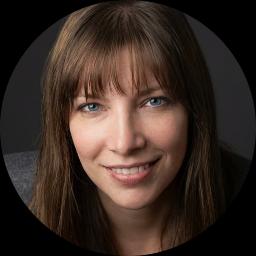
About Tiffany
Her style is client-centered and collaborative. She blends evidence-based methods such as cognitive behavioral therapy, dialectical behavior therapy, and acceptance and commitment therapy. Sessions focus on skills that reduce intense feelings, patterns that get in the way, and choices that move life forward.
Dr. Vastardis pays attention to relationship patterns, attachment needs, and how past wounds shape current choices. She also addresses related concerns like abandonment, communication problems, body image, caregiver stress, and issues tied to adoption and foster care. Work can include harm-reduction approaches for substance use and finding safer ways to meet needs.
She emphasizes simple, concrete steps people can try between sessions. That might include behavior experiments, emotion regulation skills, boundary-setting practice, or values-driven action plans. Progress is tracked in small, practical ways that feel doable.
Dr. Vastardis practices in Florida and works in English. Her approach welcomes diverse identities and sexual expression without judgment. If this description fits what someone needs, they can start by answering a short questionnaire to match and schedule sessions.
How evidence-based methods translate to online work
Acceptance and Commitment Therapy (ACT) helps people clarify what matters to them and take committed steps toward those values, even when uncomfortable feelings show up. It is useful for anxiety, depression, and life transitions because it focuses on action over getting stuck in thoughts.Attachment-Based Therapy looks at how early connection patterns shape current relationships. It aims to help people notice attachment reactions, try new ways of relating, and strengthen emotional safety in important relationships.
Finding the right approach is part of the process. The therapist works collaboratively to match methods to a person's needs, goals, and preferences. Sessions can mix approaches as needed so practical skills and deeper exploration happen together.
The biography does not list specific online formats, so confirm available session options before booking. Online care can make it easier to fit therapy into a busy life - for example, shorter check-ins between obligations, reduced travel time, and easier scheduling around work or caregiving. Licensed professionals can use skills-based sessions, values work, and attachment-focused conversation effectively in remote settings, helping clients practice new habits in day-to-day life.
Frequently asked questions
What concerns does this therapist address?
She supports people with stress, anxiety, addictions, depression, trauma and relationship concerns. Additional focuses include attachment issues, communication problems, abandonment, and body image.
How would you describe her therapeutic style?
Her work is collaborative and client-centered, emphasizing practical skills and values-based action. She mixes talking, skill practice, and short exercises to help with emotion regulation and decision-making.
What kind of experience does she bring?
She has 17 years of clinical experience working with complex emotional and relational issues. That background shapes a practical approach to tackling persistent patterns.
Where is she based and what credential does she hold?
She practices in Florida and holds the credential FL LMHC as a licensed mental health counselor.
What languages and international work are supported?
Sessions are offered in English, and she accepts international clients.
Which session formats are available?
Session formats were not specified in the biography; please confirm current session options before booking.
How are sessions priced?
Cost varies with location and therapist availability, and sessions use a subscription that can be canceled at any time.
What are the steps to begin working together?
Start by selecting the continue button on this profile, complete a short matching questionnaire, and then schedule according to therapist availability.