- Client-centered care
- Practical tools
- Mindful approaches
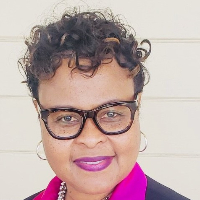
About Shonda
Hart-Wright combines straightforward counseling with tools to reduce symptoms and improve daily functioning. She draws on approaches such as cognitive behavioral therapy and mindfulness to help people notice unhelpful thoughts and try different behaviors. Sessions emphasize clear goals and small steps that fit into real life.
Over two decades of work in varied settings inform her approach. That experience includes supporting people with mood disorders, trauma and abuse, addictions, and bipolar disorder. She also addresses concerns like parenting stress, blended family issues, grief, and problems with communication or control.
Therapy sessions are client-centered. The person seeking help is treated with dignity and respect and takes an active role in planning change. The counselor offers guidance, practical exercises, and accountability while adapting methods to each person’s needs.
Hart-Wright helps people clarify what they want to change and builds an achievable plan. She focuses on skills people can use between sessions, such as grounding, behavioral experiments, and mindful awareness. Her goal is steady progress rather than quick fixes.
How her approaches translate to online work
Acceptance and Commitment Therapy, or ACT, helps people notice painful thoughts without getting stuck in them and then choose actions that match their values. It’s useful when someone wants more meaningful direction or needs help tolerating difficult feelings while moving forward. Cognitive Behavioral Therapy, or CBT, focuses on identifying unhelpful thoughts and testing new behaviors to reduce symptoms like anxiety or low mood. It often uses specific exercises and homework between sessions to build skills. Mindfulness Therapy trains simple attention and breathing skills that reduce reactivity and improve focus; it pairs well with ACT and CBT for stress and mood concerns.Finding the right approach is part of the process. The therapist will work collaboratively to decide which methods fit a person’s goals and preferences. That may mean combining techniques and adjusting them over time as needs change.
The original profile does not list specific online session formats, so confirm current options before booking. In general, online therapy can make it easier to fit sessions into a busy life, shorten travel time, and allow check-ins that match a person’s schedule. It can also let someone choose a simpler session when bandwidth or background noise is a concern, or opt for a longer appointment when more time is needed to cover complex issues.
Frequently asked questions
What concerns does she help with?
She works with a wide range of issues including stress, anxiety, depression, relationship difficulties, addictions, trauma and abuse, grief, parenting concerns, bipolar disorder, ADHD, and life changes.
What is her therapeutic style like?
Her style is reality-based and client-centered with warmth and support. Sessions focus on setting clear goals and using practical techniques from cognitive behavioral and mindfulness approaches.
How much experience does she have?
She has 20 years of experience working in a variety of institutional settings and with a broad range of mental health concerns.
What are her credentials and where is she located?
She is a Licensed Mental Health Counselor, LMHC, licensed in Florida and practices from that state.
Which languages are supported for sessions?
Sessions are offered in English and international clients are accepted.
What session formats are available?
The original biography does not specify session formats; please confirm current session options before booking.
How are sessions billed?
Cost varies with location and therapist availability; sessions use a subscription that can be canceled at any time.
How do I begin working with her?
Use the continue button on this profile, complete a short matching questionnaire, and then schedule according to the therapist's availability.