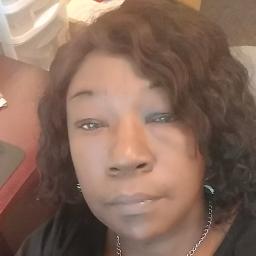
- Warm listening style
- Skills focused
- 20 years experience
About Shirley
She brings long experience with mental health, substance use, and developmental disability services. That background includes assisted medication management and work with military populations. Shirley often uses straightforward education about symptoms and practical skills to help people cope day to day.
Her approach focuses on the person in front of her. She creates a warm, nonjudgmental space where people can talk through what’s blocking them. Sessions emphasize clear goals and steps clients can try between meetings.
Shirley regularly uses Cognitive Behavioral Therapy, Motivational Interviewing, and Client-Centered methods alongside mindfulness and Dialectical Behavior Therapy ideas. She draws on these tools to address impulses, mood swings, addictive behaviors, and patterns that harm relationships and daily functioning.
Families, parents, and individuals dealing with divorce, single parenting, grief, or substance use will find a practical orientation in her work. Shirley aims to help people make steady changes so they can look forward to the future with more confidence and calm.
How Shirley’s approaches translate to online therapy
Client-Centered Therapy focuses on listening and acceptance. The therapist follows the person's lead, reflects what she hears, and helps clients find their own solutions; this helps with relationship strain, grief, and feeling stuck. Cognitive Behavioral Therapy (CBT) looks at links between thoughts, feelings, and behavior. It uses concrete exercises and homework to reduce anxiety, depression, and unhelpful habits. Dialectical Behavior Therapy (DBT) adds skills for managing intense emotions and impulsive actions, including grounding and emotion regulation techniques useful for anger, self-harm tendencies, and substance urges.Choosing the best approach is a collaborative process. Shirley will work with each person to decide which methods fit their goals and preferences. She adjusts tools over time based on what helps most in regular sessions.
The practical benefits of online work include easier scheduling and fitting sessions into a busy life. Online options can make it simpler to keep regular check-ins and to try skill practice between meetings. Session formats are not listed here, so confirm available options before booking to learn how sessions are delivered.
Frequently asked questions
What concerns does Shirley commonly address?
She helps people with stress, anxiety, addictions, anger, depression, ADHD, relationship and family issues, trauma and abuse, grief, parenting, and coping with life changes.
How would you describe her therapy style?
Her style is warm and nonjudgmental with a focus on practical steps. Sessions combine listening with skill-building and clear goals.
What is her professional background?
She has about 20 years of experience in human services, including work in mental health, developmental disability, and substance use settings.
Which credentials and region apply to this therapist?
She holds the LCMHC credential and is licensed in North Carolina.
In which languages can sessions be held?
Sessions are offered in English and she accepts clients from outside the United States.
What session formats are available?
Session formats are not specified here, so confirm the current options before booking to learn which formats are offered.
How are fees and payment handled?
Cost varies with location and therapist selection; sessions use a subscription that can be canceled at any time.
How do I get started with therapy?
Select the continue button on this profile, complete a short matching questionnaire, and schedule sessions according to therapist availability.