- Client-centered
- CBT and DBT skills
- Goal oriented
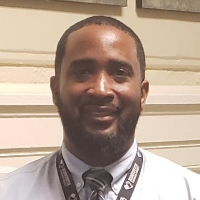
About Sherron
Sherron practices in a straightforward, respectful style. Sessions focus on what matters to the client and on small changes that add up. He listens first, then helps people set clear, manageable goals and try steps that can be practiced between meetings.
He draws on Client-Centered Therapy to keep the client's perspective central. Cognitive Behavioral Therapy (CBT) is used to notice and change unhelpful thinking and behavior patterns. He also uses Dialectical Behavior Therapy (DBT) skills and mindfulness to build emotional regulation and present-moment awareness.
Motivational Interviewing and solution-focused techniques are part of his toolbox for increasing motivation and finding workable next steps. In sessions people will often talk through a current problem, experiment with new responses, and plan specific actions to try between appointments.
Sherron aims to help people feel less stuck and more able to handle life’s demands. He invites prospective clients to start by sharing their immediate concerns so they can agree on goals and a plan together.
How therapeutic approaches translate to online care
Sherron often uses Client-Centered Therapy and Cognitive Behavioral Therapy (CBT) in his work. Client-Centered Therapy focuses on listening and understanding each person's perspective so goals come from the client. CBT helps people spot and change unhelpful thoughts and behaviors through practical exercises and repeated practice.He also uses Dialectical Behavior Therapy (DBT) skills and mindfulness techniques to help with emotional regulation and staying present. These approaches teach concrete skills people can use between sessions to manage strong emotions, relationship strain, and stress. Choosing the right approach is a collaborative process; the therapist will work with the client to decide which methods match their needs, goals, and preferences.
If you are considering online therapy, confirm the therapist's current session options before booking so you know what formats are available. Online work can make it easier to fit therapy into a busy life, reduce travel time, and allow for shorter check-ins when needed. Licensed professionals can guide clients in applying CBT, DBT, and mindfulness skills in ways that fit everyday routines and responsibilities.
Frequently asked questions
What concerns does Sherron help with?
He works with stress, anxiety, depression, trauma and abuse, relationship and family issues, grief, addictions, bipolar disorder, ADHD, and related concerns such as anger and self-esteem.
What is his therapeutic style like?
Sessions are practical and person-focused with an emphasis on listening, setting clear goals, and trying concrete steps between meetings.
How much experience does he have?
Sherron has eight years of clinical experience working with individuals and with relationship-related concerns.
What credentials and region are listed?
He is licensed as an LCSW and holds CSW credentials, and his practice is located in Georgia.
Which languages are sessions offered in?
Sessions are offered in English.
Are international clients accepted?
International clients are not currently accepted.
How is payment handled and what does it cost?
Cost varies with location and therapist availability; sessions use a subscription that can be canceled at any time.
How do I begin working with him?
Select the continue button on this profile, complete a short matching questionnaire, and schedule according to therapist availability.