- Client-centered care
- Skills training
- Problem solving
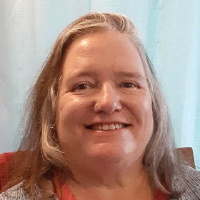
About Sharon
Sharon uses a client-centered way of working that keeps the person’s needs central. She adds practical skills training to build focus, relaxation, and better ways of handling strong emotions. Those skills are used alongside problem-solving to make real plans and choices when challenges arise.
Her background includes many years in community mental health and community health centers in the Raleigh-Durham area. She earned a Master of Social Work degree from the University of Tennessee after earlier university study in music and psychology. That mix shaped a calm, practical approach to therapy.
Sessions are organized around what each person brings to therapy. Sharon checks in regularly to adjust the pace and focus as needs change. She aims to provide a validating space while also teaching tools people can use between sessions.
People often come for help with grief, addictions, mood struggles such as depression and bipolar symptoms, parenting stress, intimacy-related issues, and career concerns. Sharon’s style is patient and skills-focused, with attention to both feelings and real-world coping.
How therapeutic approaches guide online sessions
Client-Centered Therapy focuses on listening and following the person’s lead. The therapist reflects what the client says and helps them name needs and goals, which can make sessions feel steady and person-focused. Cognitive Behavioral Therapy (CBT) works on the link between thoughts, feelings, and actions; it uses simple exercises and homework to reduce anxiety and change unhelpful patterns. Dialectical Behavior Therapy (DBT) offers concrete skills for managing intense emotions, improving distress tolerance, and handling relationship conflicts.Finding the right approach is part of the work together. The therapist will talk with clients about their needs, goals, and preferences and then try methods that fit. This is a collaborative process and approaches can be adjusted over time based on what helps most.
The biography does not list specific online session formats, so please confirm the available options before booking. Many people find online sessions helpful because they are easier to fit into busy schedules, allow for shorter check-ins when needed, or remove travel time. Online work can also make it simple to practice skills between sessions where daily life happens. Ask about the session types offered to choose what matches your routine and comfort.
Frequently asked questions
What kinds of concerns does Sharon address?
She helps people with stress, anxiety, depression, trauma and abuse, anger, addictions, grief, relationship and intimacy issues, eating and sleeping problems, parenting and career concerns, and coping with life changes.
How would she describe her therapeutic style?
Her work is client-centered and practical. She listens first, then introduces skills training and problem-solving that match each person’s goals.
What is her background and experience?
She has 40 years of experience, including many years in community mental health and community health centers in the Raleigh-Durham, North Carolina area.
What credentials and location are listed?
She is a Licensed Clinical Social Worker, LCSW, licensed in North Carolina and practices from that state.
Which languages are sessions offered in?
Sessions are offered in English. International clients are not currently accepted.
What session formats are available?
The original biography does not specify session formats. Please confirm current session options when you schedule.
How does payment and cost work?
Cost varies with location and therapist availability; sessions use a subscription that can be canceled at any time.
How do I begin working with her?
Click the continue button on this profile, complete a short matching questionnaire, and schedule according to therapist availability.