- Practical steps
- Collaborative style
- Communication focus
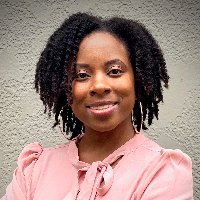
About Shantizia
She uses approaches drawn from Cognitive Behavioral Therapy, Motivational Interviewing, and Solution-Focused Therapy to shape sessions around each person. Conversations aim to identify small, doable steps that lead to clearer thinking and better day-to-day coping. Sessions focus on building communication skills, managing mood, and strengthening self-worth.
Figgs worked and trained in Florida and holds a Licensed Clinical Social Worker credential. She has three years of experience noted for work with individuals and young adults on concerns like blended family issues, communication problems, self-love, and women’s issues.
Her sessions are collaborative and goal-oriented. She helps people set short-term goals and tracks progress in practical ways. People who prefer a focused approach that moves toward specific life changes may find this style helpful.
If someone is new to therapy, Figgs encourages using a short questionnaire to match goals to a plan. She invites readers to consider what they want to change, then work together to create manageable steps toward that outcome.
How these approaches guide online therapy
Shantizia uses Cognitive Behavioral Therapy to help people notice unhelpful thinking and try different behaviors. CBT is useful for anxiety, depression, and stress because it focuses on small changes that change how people feel and act.Motivational Interviewing is a conversational style that helps people find their own reasons to change. It can be helpful when someone feels stuck about parenting choices, career moves, or improving relationships.
Solution-Focused Therapy looks for what is already working and builds on it. Sessions emphasize practical steps and short-term goals, which can make progress feel visible quickly.
Finding the right approach is a shared process. The therapist will discuss goals, preferences, and what has or hasn’t helped before, then try methods that fit those needs. Clients and the therapist adjust the plan together as progress is tracked.
Confirm current online session options before booking so you know what formats are available. Online therapy can make it easier to fit sessions into a busy life, reduce travel time, and allow for shorter check-ins when schedules are tight. Talk with the therapist about how sessions can be arranged to match daily routines and responsibilities.
Frequently asked questions
What kinds of relationship or family concerns are supported?
She helps with relationship strain, blended family issues, communication problems, intimacy-related issues, and parenting concerns. The list also includes grief, trauma and abuse, and coping with life changes.
How would you describe the therapeutic style and approach?
Sessions are collaborative and goal-focused. Techniques come from Cognitive Behavioral Therapy, Motivational Interviewing, and Solution-Focused Therapy to set clear, practical steps.
What is her clinical background and experience?
She holds a Licensed Clinical Social Worker credential and has three years of clinical experience working with individuals and young adults on mood, communication, and relationship concerns.
Where is she based and licensed?
She is licensed in Florida as an LCSW and practices from that state.
Which languages are sessions offered in?
Sessions are offered in English.
Can international clients work with this therapist?
International clients are not currently accepted.
How does pricing and session payment work?
Cost varies with location and therapist availability, and sessions use a subscription that can be canceled at any time.
What are the steps to begin working together?
Use the continue button on this profile, complete a short matching questionnaire, and then schedule according to therapist availability.