- Empathic listener
- Practical steps
- Relationship focus
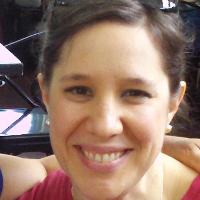
About Sarah
She helps people manage stress and anxiety, cope with grief and loss, and navigate life changes like career shifts or parenting strain. She also supports people dealing with depression, trauma and abuse, and low self-esteem. Sessions focus on speaking things through and finding practical steps that fit each person’s life.
Sarah blends several evidence-based therapeutic techniques to match each client’s needs. She draws from client-focused therapy to center the person’s experience and from cognitive behavioral approaches to identify unhelpful thoughts. Dialectical strategies and solution-focused methods help with emotion regulation and concrete problem solving.
When grief or relationship issues are present, she incorporates targeted grief and couples work to address loss and communication patterns. The mix of methods is tailored rather than fixed, and goals are revisited as progress is made. Sarah aims to create a respectful, non-judgmental space where people can try new ways of coping.
She believes everyone benefits from being heard without judgment. Sarah encourages honest conversation and helps people discover their own strengths for improving difficult situations. To begin, visitors can use the site’s Start Therapy flow to match and schedule according to availability.
Evidence-informed methods and online care
Sarah uses a few evidence-based techniques in her work and adapts them to each person. Client-focused therapy centers the session on the person's experience and helps people feel heard and understood. Cognitive behavioral approaches look at thought patterns and practical behavior changes to reduce anxiety and depression. Dialectical strategies add tools for managing intense emotions and improving coping skills.Finding the right approach is part of the therapeutic process. Sarah collaborates with each client to choose which techniques fit their goals and day-to-day life, and she adjusts the plan as progress is made. The work is collaborative and revisited regularly so the client helps shape what comes next.
The practical benefits of online therapy can include fitting sessions into a busy week and reducing travel time. Online work may also make it easier to schedule shorter check-ins during a break or to have conversations without needing to be on camera the whole time. The biography does not list specific session formats, so confirm the current options before booking to be sure they fit your needs and routine.
Frequently asked questions
What concerns does Sarah address in therapy?
She works with stress, anxiety, relationship struggles, grief, depression, trauma and abuse, parenting issues, self-esteem, career questions, and coping with life changes.
What is her therapy style like?
Sessions are conversational and practical. Sarah blends client-focused listening with cognitive and solution-oriented tools to help people make change.
How much clinical experience does she have?
She has been practicing as a psychotherapist since 2012, bringing about 15 years of experience to her work.
What credentials and region are listed?
She holds the LCMHC credential and practices in North Carolina.
Which languages are offered and can international clients join?
Sessions are offered in English. International clients are not currently accepted.
What session formats are available?
The original biography does not specify session formats. Please confirm current session options before booking.
How are sessions priced?
Cost varies with location and therapist availability; sessions use a subscription that can be canceled at any time.
How do I begin working with her?
Select the continue button on this profile, complete a short matching questionnaire, and schedule according to the therapist's availability.