- Collaborative process
- Hands-on coping tools
- Focus on relationships
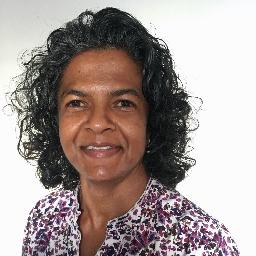
About Roshne
Davidson draws on 18 years of experience in mental health, including both hospital and outpatient settings. She works with adults who are coping with mood disorders such as depression and bipolar, trauma and abuse, parenting pressures, compassion fatigue, and the challenges of juggling physical and mental health needs. She also supports people navigating career shifts, aging, and other transitions.
Her practice blends several established approaches rather than using a single method. She uses client-centered conversation to follow each person's priorities, cognitive behavioral tools to change unhelpful thinking and behavior, mindfulness to build present-moment skills, and motivational interviewing to bolster readiness for change. Existential ideas help people find meaning when facing big life questions.
Sessions may include practical resources beyond talk therapy, such as movement, art, music, and nature-based activities when they suit a person's goals. Davidson aims to provide encouragement along with gentle challenge, helping clients try new strategies between sessions. She frames therapy as teamwork, focused on building a more satisfying, manageable life.
To begin, clients complete a short matching questionnaire and schedule sessions based on the therapist's availability. Costs vary with location and use a cancelable subscription model.
Approaches that guide online work and practical benefits
Client-centered therapy focuses on listening and following what matters most to the person. It helps people set the agenda and feel respected while they name priorities and try new ways of coping.Cognitive behavioral therapy, or CBT, breaks down problems into thoughts, feelings, and behaviors. It offers simple practices to test unhelpful beliefs and build new habits for anxiety, low mood, and stress-related problems.
Finding the right approach is part of the therapeutic process. The therapist will work together with each person to choose methods that match their needs, goals, and preferences. That may mean combining approaches and adjusting the plan as progress is made.
Practical benefits of online therapy can include fitting sessions into a busy week, having shorter check-ins when needed, and avoiding travel time so therapy is easier to maintain. The original profile does not list which session formats are used, so confirm available options before booking. A therapist will help arrange session timing and structure to make therapy work with everyday responsibilities.
Frequently asked questions
What concerns does she help with?
She works with adults facing stress, anxiety, depression, addictions, grief, relationship or parenting strain, trauma and abuse, bipolar disorder, and coping with life changes.
What is her therapeutic style?
Her style is collaborative and person-focused, blending client-centered conversation with cognitive behavioral techniques, mindfulness, and motivational interviewing to create practical plans.
How much experience does she have?
She has 18 years of experience in mental health, including work in acute hospital and outpatient settings.
What credentials and region apply?
She is an LPC - Licensed Professional Counselor - practicing in Virginia.
Which languages are supported?
Sessions are offered in English and she is not accepting international clients.
What session formats are available?
The original profile does not list specific session formats, so confirm current options before booking to know how sessions are held.
How does cost work?
Cost varies by location and therapist availability; sessions use a subscription that can be canceled at any time.
How do I get started?
Select the continue button on this profile, complete a short matching questionnaire, and schedule sessions according to the therapist's availability.