- Goal focused
- Strengths based
- Trauma informed
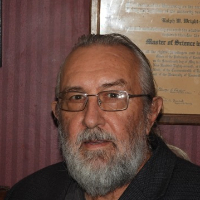
About Ralph
His training includes a Master of Divinity (MDiv) and a Master of Science in Social Work (MSSW). He also holds membership in the Academy of Certified Social Workers, ACSW. Ralph draws on long experience working with individuals facing trauma, substance use, and grief, and with people affected by adoption and foster care or autism.
Ralph uses approaches that center the person in the room. He listens for each person's story and helps them shape practical steps forward. He works with cognitive behavioral ideas to notice unhelpful thinking patterns, and he uses solution-focused strategies to set small, achievable goals.
Sessions may also draw on motivational interviewing and existential ideas about meaning and responsibility. Those methods are used to strengthen motivation, clarify values, and address issues such as anger, guilt, shame, or men's concerns. He aims to support people processing trauma and post-traumatic stress with attention to safety and pacing.
Ralph encourages a whole-person approach that attends to emotional, physical, intellectual, and spiritual pieces of life. He invites people to tell their unique story, to set realistic life goals, and to claim the changes they make along the way.
How therapeutic approaches shape online care
Client-Centered Therapy places the person's experience at the center of sessions. The therapist listens closely, reflects what matters to the client, and follows the client's pace to help them find their own solutions. This approach helps with emotional concerns like grief, depression, and relationship strain.Cognitive Behavioral Therapy, or CBT, focuses on identifying thoughts and behaviors that keep problems going. It uses exercises and homework to practice new ways of thinking and acting, which can be helpful for anxiety, depression, and stress. Solution-Focused Therapy narrows in on immediate, practical goals and on small steps that move people forward quickly.
Finding the right approach is part of the work. The therapist will talk with the client about goals, needs, and preferences and then try methods that fit. That collaboration helps shape a plan that feels useful and realistic.
If you are considering online sessions, confirm the current session options before booking. Online work can make it easier to fit therapy into a busy schedule, reduce travel time, and allow shorter check-ins when needed. Licensed professionals can adapt client-centered listening, CBT exercises, and solution-focused planning to an online format to keep the work practical and goal oriented.
Frequently asked questions
What concerns does Ralph routinely help with?
He helps people with stress, anxiety, depression, parenting challenges, relationship issues, grief, trauma and substance use concerns.
What kind of therapy style can I expect?
He practices client-centered work that emphasizes listening and collaboration, along with cognitive behavioral techniques and solution-focused steps to set practical goals.
What is his professional background?
He has 30 years of clinical experience and graduate degrees including a Master of Divinity and a Master of Science in Social Work.
What are his credentials and where is he based?
He is a Licensed Clinical Social Worker, LCSW, licensed in North Carolina and practices from that state.
Which languages are sessions offered in?
Sessions are offered in English.
Can people outside the U.S. work with him?
He is not currently accepting international clients.
How does payment and cost work?
Cost varies with location and therapist availability; sessions use a subscription model that can be canceled at any time.
How do I begin therapy with him?
Start by selecting the continue button on this profile, complete a short matching questionnaire, and then schedule sessions according to therapist availability.