- Strengths focused
- Trauma aware
- Goal oriented
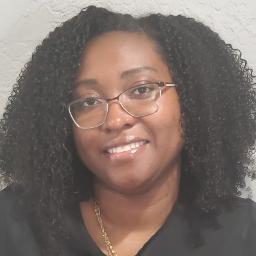
About Phyllis
She draws from nine years of experience working with trauma, depression, and behavioral concerns. That background includes supporting community healing after mass violence and working in hospice to guide families through grief and loss. Those settings shaped her focus on practical coping skills and emotional resilience.
In sessions she emphasizes collaboration and choice. She uses client-centered methods to listen and build on each person’s strengths. Cognitive Behavioral Therapy techniques are used to spot patterns and test small changes that can reduce anxiety and low mood.
Solution-focused strategies help set short-term goals and identify what already works in a person’s life. Trauma-focused ideas are woven in when past events are affecting daily functioning or relationships. The goal is to create a simple toolbox of skills for everyday challenges.
Phyllis aims to make therapy easy to understand and apply. She supports people working through caregiver stress, communication problems, divorce and separation, and forgiveness. Sessions are conducted in English and grounded in respect for each person’s choices.
If you want a therapist who prioritizes clear steps and personal agency, Phyllis offers a practical, steady approach to healing and problem solving.
How her approaches translate to online work
Client-Centered Therapy focuses on listening and building on each person’s strengths. It helps when someone needs a steady, nonjudgmental place to sort out feelings and make decisions.Cognitive Behavioral Therapy (CBT) looks at the link between thoughts, feelings, and actions. It helps people spot unhelpful thinking, try small experiments, and reduce anxiety or low mood through practical exercises.
Finding the right approach is part of the process. The therapist will collaborate with the client to pick methods that match goals, needs, and comfort level. That means adjusting pace, choosing which techniques to use, and reviewing progress together.
Confirm the available session formats before booking, since specific options are not listed in the biography. Online therapy can make it easier to fit appointments into a busy life, shorten travel time, and allow brief check-ins when needed. It also supports continuing care after a crisis, working on homework between sessions, and maintaining progress during life transitions. Licensed professionals can adapt exercises, worksheets, and goal-setting to work well in remote sessions, helping clients build practical skills they can use day to day.
Frequently asked questions
What kinds of concerns does she help with?
She works with stress, anxiety, grief, depression, relationship and intimacy issues, parenting strain, caregiver stress, workplace problems, and related concerns such as anger and self-esteem.
How would you describe the therapy style?
Sessions are collaborative and practical. The therapist uses client-centered listening alongside CBT and solution-focused techniques to set goals and build coping skills.
What is her professional background?
She has nine years of experience that include trauma work and hospice support, and involvement in community healing efforts after mass violence.
What credentials and location apply to this therapist?
She holds the credential LCSW and practices in Florida.
Can I work with her if I live outside the United States?
Sessions are offered in English and she is not accepting international clients at this time.
Which session formats are available?
The original biography does not list specific session formats; please confirm current session options before booking.
How are fees handled?
Cost varies with location and therapist availability, and sessions use a subscription that can be canceled at any time.
What are the first steps to begin?
Select the continue button on this profile, complete the short matching questionnaire, and then schedule according to therapist availability.