- Respectful listening
- Practical tools
- Neurodiversity aware
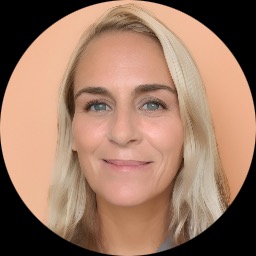
About Natalie
She has four years of professional counseling experience and deep experience supporting autistic and neurodivergent individuals across many settings. Natalie says she will tailor conversations and plans to each person's needs. She emphasizes practical steps that fit a person’s life and goals.
Natalie uses a mix of approaches to match what the person needs. She draws on cognitive behavioral ideas to identify unhelpful thinking and on acceptance-based tools to build valued action. Attachment-focused work and client-centered listening are part of how she helps people understand patterns in relationships.
In sessions she tends to keep things straightforward and person-focused. Natalie works with concerns such as grief, intimacy-related issues, eating concerns, anger, ADHD, and family problems. She also supports people dealing with abandonment, attachment issues, chronic health challenges, and isolation.
She seeks to help people make small, steady changes rather than promising quick fixes. Natalie encourages open dialogue about goals and adjusts plans as needs shift. Her approach blends practical strategies with empathy and clear communication.
How Natalie’s approaches translate to online therapy
Therapies Natalie draws on include Acceptance and Commitment Therapy (ACT), Attachment-Based Therapy, and Client-Centered Therapy. ACT focuses on noticing thoughts and choosing actions that match what matters most, which can help with anxiety, stress, and substance use. Attachment-Based Therapy looks at patterns in close relationships to understand feelings and reactions, useful for intimacy and relationship concerns. Client-Centered Therapy emphasizes listening and empathy so the person leads the pace and topics of sessions.Finding the right approach is a collaborative process. Natalie works with each person to decide which ideas and tools fit their goals and preferences. She encourages testing strategies and adjusting the plan as progress and needs change.
The practical advantages of online work include making sessions easier to fit into a busy week and reducing travel time. If you are considering remote options, confirm the current session formats before booking so you know what is offered. Online sessions can make it simpler to maintain continuity of care and to try brief check-ins when life gets busy.
Frequently asked questions
What issues does Natalie help with?
She works with stress, anxiety, addictions, relationship concerns, trauma and abuse, depression, grief, intimacy-related issues, eating concerns, anger, and ADHD among other related areas.
What is her therapy style like?
The approach is collaborative and down-to-earth, with a focus on respectful listening and practical skills. Natalie adapts techniques to each person's needs and goals.
How much clinical experience does she have?
Natalie has four years of professional counseling experience and additional long-term work supporting autistic and neurodivergent people across settings.
What credential and location information should I know?
She is a Florida Licensed Mental Health Counselor (FL LMHC) and practices in Florida.
Which languages are sessions offered in?
Sessions are offered in English.
Can people outside the U.S. work with her?
International clients are not currently accepted.
How are fees and billing handled?
Cost varies with location and therapist availability; sessions use a subscription that can be canceled at any time.
What are the first steps to begin therapy?
Start by selecting the continue button on this profile, complete the short matching questionnaire, and then schedule sessions according to the therapist's availability.