- Relationship concerns
- Trauma informed care
- Practical coping skills
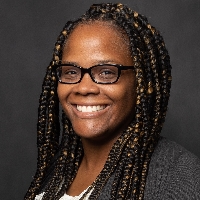
About Naharia
She holds a Doctorate in Mental Health Counseling and has worked extensively with people impacted by trauma, sexual abuse, and combat-related concerns. Her background includes work with clients managing dual diagnosis, compassion fatigue, and challenges around intimacy and self-esteem. Motivational approaches are used alongside skills-based methods to encourage small, usable steps forward.
In sessions she blends client-centered listening with structured tools from cognitive behavioral and dialectical behavior approaches. That mix lets people name what matters, test new ways of coping, and practice those skills between meetings. Emotionally-focused ideas are also used when relationship patterns and attachment issues come up.
Dr. Heard also offers coaching-style support for career questions and parenting stress. She aims for clear goals and practical change, not jargon. Sessions are paced to each person’s needs and goals.
People who want to begin are asked to use the continue button on this profile, fill out a short matching questionnaire, and schedule based on therapist availability. Sessions use a subscription that can be canceled at any time.
How therapeutic approaches guide online care
Dr. Heard uses several practical approaches to help people manage stress and relationship challenges. Client-centered therapy focuses on listening and building understanding so people can set their own goals and feel heard. Cognitive behavioral therapy (CBT) teaches specific skills to change thinking and behavior patterns, which can help with anxiety, depression, and coping with daily stress.Dialectical behavior therapy (DBT) adds techniques for emotion regulation and interpersonal effectiveness, useful when strong emotions or relationship conflicts are getting in the way. Each method emphasizes concrete tools and step-by-step practice rather than long explanations.
Finding the right approach is part of the work. The therapist and client will review needs, goals, and preferences and decide together which methods to try first. That collaborative process means adjustments are made if something isn’t helping.
If you are considering online sessions, confirm the session formats before booking since the biography does not specify them. Online options can make scheduling easier, help fit sessions around work or family commitments, and allow shorter check-ins when a quick conversation is needed. Talk with the therapist about what will fit your routine and goals so sessions can be arranged in a useful, manageable way.
Frequently asked questions
What concerns does Dr. Heard address?
She helps people facing stress, anxiety, relationship and family strain, trauma and abuse, depression, addictions, grief, intimacy issues, parenting challenges, anger, self-esteem, career questions, and compassion fatigue.
What is her therapeutic style like?
Her style mixes client-centered listening with practical skills from cognitive behavioral therapy and dialectical behavior therapy. Sessions are aimed at identifying goals and practicing new coping strategies.
How much experience does she have?
She has ten years of clinical experience working with people who face mental health and relationship challenges.
What credentials and location are listed?
She is a Licensed Professional Counselor (LPC) in Virginia and holds a Doctorate in Mental Health Counseling.
Which languages are supported and are international clients accepted?
Sessions are offered in English. International clients are not currently accepted.
What session formats are available?
The original biography does not list specific session formats. Please confirm current session options before booking.
How does pricing work?
Cost varies with location and therapist availability. Sessions use a subscription model that can be canceled at any time.
How do I begin working with her?
Use the continue button on this profile, complete a short matching questionnaire, and schedule according to therapist availability.