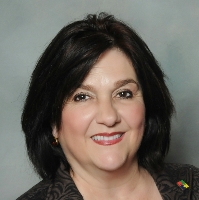
- Goal oriented
- Motivational style
- English and Spanish
About Mercy
Her approach centers on the person in front of her. Sessions emphasize listening, motivational coaching, and practical steps clients can try between meetings. Mercy encourages clients to take the lead in identifying what matters most and to build small habits that move them toward their goals.
She often uses mindfulness practices to help with anxiety and mood concerns. Solution-focused techniques are used to identify workable next steps when someone feels stuck. For people with trauma or long-standing patterns, she integrates trauma-focused ideas while keeping the pace comfortable for each client.
Mercy has 12 years of experience working with a wide range of concerns, including relationship strain, parenting stress, addiction, bipolar disorder, ADHD, and caregiving burdens. She speaks English and Spanish and blends clinical approaches to match what each person needs.
People who choose Mercy can expect a practical, goal-oriented process delivered with empathy. Her work aims to help people regain a sense of control, manage strong emotions, and move toward healthier daily routines.
Approaches that guide online sessions
Client-centered therapy focuses on listening and supporting people as they name their goals and solutions. It helps when someone needs a calm space to sort priorities and decide what to change. Mindfulness therapy teaches simple exercises to notice thoughts and bodily reactions, which can reduce anxiety and improve mood over time. Motivational interviewing helps people clarify their own reasons for change and build motivation for steps like reducing substance use or improving routines.Choosing the right approach is a collaborative process. The therapist will talk with the client about needs, goals, and preferences, then try methods that fit. If something doesn't work, adjustments are made so sessions stay useful and relevant.
The profile does not list specific session formats, so confirm current online options before booking. Online work can make it easier to fit therapy into a busy life - for example, shorter check-ins during a lunch break, or avoiding travel time to an office. It also lets people maintain continuity of care when schedules or locations change. Licensed professionals can adapt techniques such as mindfulness exercises, motivational conversations, and solution-focused planning to an online setting so therapy remains practical and goal oriented.
Frequently asked questions
What types of problems does she help with?
She helps with grief, depression, anxiety, stress, addictions, relationship concerns, parenting strain, bipolar disorder, ADHD, and related issues such as abandonment and isolation.
What is her therapeutic style like?
Her style is supportive and client-centered with a motivational, nonjudgmental approach focused on practical steps and personal goals.
How much experience does this clinician have?
She has 12 years of clinical experience working with people facing mood disorders, grief, substance concerns, and life transitions.
What credentials and location are listed?
She is a licensed clinical social worker, LCSW, licensed in Florida and practices there.
Which languages are supported in sessions?
Sessions are offered in English and Spanish.
What session formats are available?
The original biography did not specify session formats; please confirm current session options with the service before scheduling.
How does cost work for sessions?
Cost varies with location and therapist availability; sessions use a subscription that can be canceled at any time.
How do I begin working with this therapist?
Click the continue button on this profile, complete a short matching questionnaire, and schedule according to the therapist's availability.