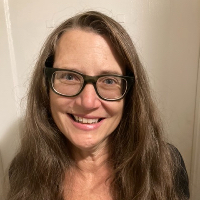
- Relationship-centered
- Practical tools
- Ten years experience
About May
May draws on practical, evidence-informed methods to address stress, anxiety, depression, and trauma. She also helps with relationship concerns, intimacy-related issues, addiction, grief, and self-esteem. Other areas of focus include ADHD, mood disorders, eating and sleeping problems, and coping with life changes.
Her approach is collaborative and person-focused. Sessions look at patterns that get in the way, and then explore small, doable steps toward change. She uses tools from cognitive behavioral work, acceptance and commitment ideas, and attachment-based thinking to help people make sense of feelings and choices.
May's background includes intensive outpatient mental health work, which means she has experience supporting people through crises and transitions. That experience shapes how she structures sessions, balances support with practical skills, and keeps goals grounded in everyday life.
Many clients come for help with communication problems, commitment worries, family of origin issues, or the fallout from past abuse. She also works with those facing caregiver stress, compassion fatigue, or questions about life purpose. May offers care in English and accepts international clients. To begin, use the continue button on this profile to complete a short matching questionnaire and schedule according to availability.
How May's Approaches Work Online
Acceptance and Commitment Therapy (ACT) encourages people to notice difficult thoughts and feelings without getting stuck by them, then commit to small actions that match what matters most. It often helps with anxiety, depression, and life transitions.Attachment-Based Therapy focuses on how early relationships shape current patterns. It helps people understand trust, closeness, and fear of abandonment so they can work toward healthier connections.
Finding the right approach is part of the work. The therapist will collaborate with each person to pick methods that match their needs, goals, and preferences. This is a shared process that can change over time as priorities shift.
If you are considering online sessions, confirm which formats the therapist is offering before you book. Online work can make it easier to fit therapy into a busy week, reduce travel time, and allow shorter check-ins when needed. Therapists and licensed professionals use similar tools in remote sessions as they do in person, focusing on practical steps, emotion regulation, and improving communication so therapy fits everyday life.
Frequently asked questions
What concerns does May help with?
She helps people with stress, anxiety, depression, trauma and abuse, relationship and intimacy issues, addictions, grief, self-esteem, and related concerns such as ADHD and mood disorders.
What is her approach in therapy?
Her style is collaborative and relationship-focused, combining client-centered listening with practical tools from cognitive behavioral work and acceptance-based methods.
What experience does she bring?
She has ten years of clinical experience and has worked in intensive outpatient mental health settings supporting people through crises and transitions.
Where is she licensed and located?
She is a Licensed Professional Counselor (LPC) practicing with ties to South Carolina.
Which languages are supported for sessions?
Sessions are offered in English, and she accepts international clients.
What session formats are offered?
Session formats are not specified in the biography; please confirm current session options before booking.
How are fees and payment handled?
Cost varies with location and therapist availability, and sessions use a subscription that can be canceled at any time.
How do I get started with therapy?
Click the continue button on this profile, complete a short matching questionnaire, and then schedule sessions according to the therapist's availability.